



A Canadian competitor, gearing up for the upcoming World Athletics Championships, faced a setback during her pre-gym session routine upon receiving an email from Athletics Canada. The communication on August 13 mentioned that the saliva tests conducted on the athlete and other female participants at the recent national championships in Ottawa did not meet the requirements set by World Athletics for eligibility at the worlds.
The athlete, whose identity is withheld for privacy reasons, had already embarked on a training trip to Europe when the news arrived. Faced with the dilemma of complying with the necessary testing, she expressed frustration at the additional stress and inconvenience caused by the situation.
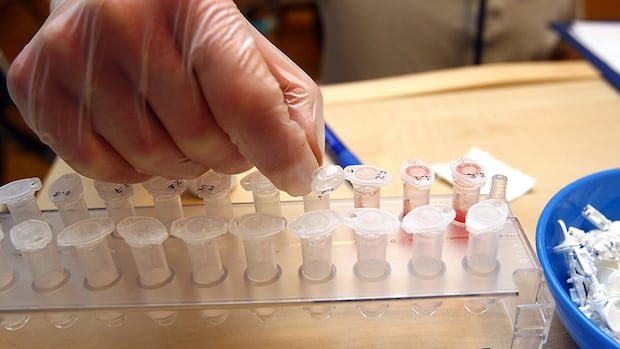
Athletics Canada had engaged Dynacare, a prominent health solutions provider in Canada, to administer the tests using kits at the national championships. However, an error occurred with the tubes provided by Dynacare, leading to the inability to conduct the required tests on the collected samples.
Efforts to reach Dynacare for comment on the responsibility for the test tube error were unsuccessful. The company acknowledged the mistake and clarified that blood samples were needed instead of saliva, promptly recommending blood collection to meet World Athletics standards.
Colin Whitmee, the director of high performance at Athletics Canada, affirmed that the saliva test used by the athletes remained valid, as per World Athletics guidelines.
Before the World Championships in Tokyo from September 13-21, around 37 Canadian female athletes are undergoing SRY gene testing to determine their eligibility. The SRY gene test identifies the presence of genetic material responsible for male sex determination in an individual’s cells.
World Athletics had mandated a one-time SRY gene test for all female athletes competing at the championships, a requirement that has faced legal challenges in certain countries. To comply with the directive, the Canadian athlete had to travel to a neighboring country for the blood test, highlighting the logistical challenges posed by the testing protocol.
Expressing discontent with the testing policy, the athletes emphasized the strain and inconvenience caused by the rushed implementation of the SRY gene testing. They raised concerns about the invasive nature of the tests and questioned the timing and transparency of the process, criticizing the lack of dialogue with federations before enforcing the regulations.
Despite the controversy surrounding the SRY gene testing, World Athletics defended its decision, stating that the introduction of the test was a crucial step in safeguarding the integrity of competition in the female category. The organization highlighted the support from member federations in implementing the testing protocol.
Athletics Canada was given a short timeframe to establish an SRY testing protocol for its national championships, aligning with World Athletics’ requirements. The financial burden of the tests, varying costs across countries, and unanswered questions about false-positive results and logistical challenges remain pressing concerns for athletes and federations.
As the athletes navigate the testing requirements, Athletics Canada is set to announce its team for the World Championships shortly.