


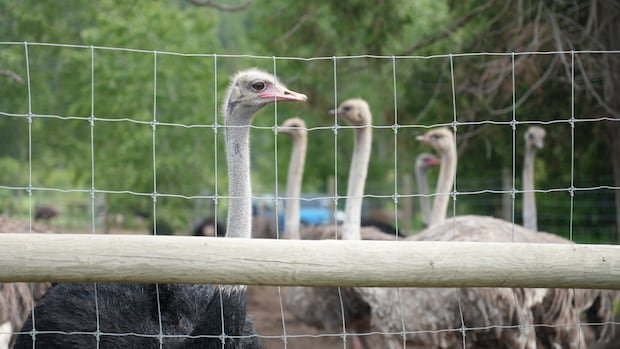

An affidavit filed by the deputy chief veterinarian of Canada has confirmed that ostriches at a farm in British Columbia, currently resisting a cull order for its flock, were affected by a unique and more dangerous strain of the avian influenza virus. The analysis conducted by Cathy Furness from the Canadian Food Inspection Agency (CFIA) revealed that the virus had undergone a “novel reassortment,” increasing its pathogenicity significantly.
Described as one of the most virulent strains tested at Canada’s National Microbiology Laboratory, this strain was found to be lethal even in small doses, causing death in mice within a few days. Despite this, Furness stated that the CFIA is unsure about the likelihood of the ostriches on the Edgewood, B.C., farm remaining infected or becoming infected in the future.
The CFIA’s arguments against delaying the cull of approximately 400 ostriches were presented in the Federal Court of Appeal through the filing of the affidavit on Tuesday. The farm owners have insisted that their flock is healthy and has developed “herd immunity” since the culling order was issued on December 31, following an outbreak that claimed the lives of 69 birds.
Katie Pasitney, a spokesperson for the farm and daughter of one of its co-owners, mentioned in a recent Facebook post that they are actively addressing the legal filings by the Justice Department. The filing by Furness came after the Federal Court of Appeal granted the farm an interim stay, postponing the cull as they seek a Supreme Court of Canada hearing.
The affidavit emphasized the potential health risks associated with the ongoing delay and decontamination efforts due to the ostriches’ ability to shed large amounts of the avian influenza virus without showing signs of infection, a phenomenon known as “silent shedding.” The document also underscored the uncertainty surrounding the immunity duration in individual ostriches and the lack of information on the number of ostriches infected during the initial outbreak.
Universal Ostrich Farms has been advocating for further testing to determine the presence of H5N1 in the birds. Furness highlighted the unknown risks of reinfection and the challenges associated with the contaminated environment, stating that additional testing would only provide evidence of current risk without addressing these uncertainties.
The affidavit also noted the farm owners’ non-compliance with quarantine rules as a factor in the CFIA’s risk assessment. Avian influenza viruses were reported to have the ability to persist for extended periods in the environment, posing a risk of reinfection long after infected birds have recovered.
Despite the farm’s assertions that the ostriches are valuable for scientific research and do not pose a threat, the case has attracted attention from prominent U.S. health officials like Robert F. Kennedy Jr. and Dr. Mehmet Oz. The farm has faced legal setbacks but continues to pursue a hearing at the Supreme Court of Canada. The Federal Court of Appeal recently granted an interim stay, allowing the CFIA to take preparatory steps for the cull while the decision on the stay motion is pending.