


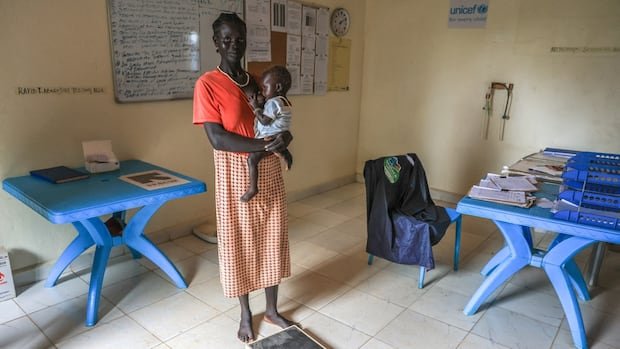

Mary Abdullah brought her 13-month-old daughter, Jote, to Bunj Hospital in South Sudan, fearing for her life due to anemia and malnutrition. With limited resources and funding cuts affecting medication supplies and staff numbers, the situation at the hospital was dire. South Sudan, relying heavily on oil exports for its economy, has faced years of challenges, including a civil war and displacement due to various factors.
The country’s dependency on foreign aid has been exacerbated by recent aid cuts, leading to a hunger crisis affecting millions. The reduction in U.S. aid has had devastating effects, with critical services and support systems strained. At Bunj Hospital, unpaid staff and dwindling medical supplies have left patients vulnerable and caregivers struggling to make ends meet.
Local NGOs have been hit hard by the aid cuts, forcing many organizations to close and leaving vulnerable populations even more exposed. The impact of the cuts is felt across various sectors, including healthcare, education, and food security. With the country facing economic crises, climate shocks, and ongoing conflicts, the need for aid has never been greater.
Aisha Ajab, working at a refugee camp, reflects the sentiments of many in South Sudan, facing increasing poverty and challenges in meeting basic needs. The country’s vulnerability to extreme weather events and disease outbreaks further compounds the existing struggles. The lack of stability and security, coupled with policy failures and corruption, paints a grim picture for the future of South Sudan.
As the country grapples with multiple crises, the need for sustained support and effective governance becomes paramount. The recent UN report alleging corruption and mismanagement of funds by South Sudan’s authorities underscores the urgent need for accountability and transparency in addressing the country’s systemic challenges.