


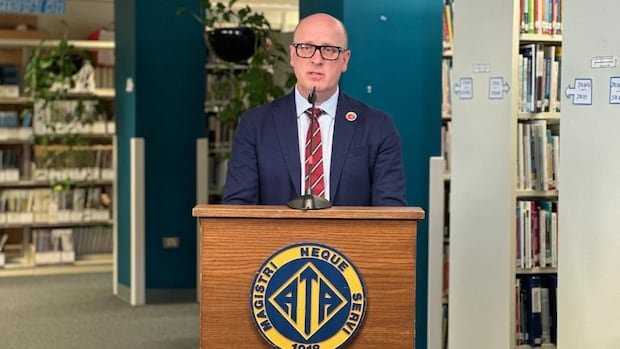

More than 51,000 teachers in Alberta are set to initiate a strike on October 6 if an agreement is not reached beforehand, following prolonged negotiations standstill with the province, as confirmed by Jason Schilling, the president of the Alberta Teachers’ Association. The strike date falls one day prior to the expiration of the 120-day validity of the strike vote.
Highlighting the urgency of the situation, Schilling emphasized the detrimental impact on both students and teachers due to inadequate support and resources. He called for decisive government intervention to prevent further deterioration of the education system, expressing dissatisfaction with the current state of affairs.
In response to the looming strike, some school boards, including Edmonton Public Schools, have started communicating with parents to mitigate potential disruptions. Alberta’s Finance Minister, Nate Horner, expressed disappointment over the strike announcement, citing the negative impact on the upcoming school year and criticizing the leverage tactic employed by the Alberta Teachers’ Association for additional compensation.
Premier Danielle Smith echoed similar sentiments of disappointment, believing that progress was being made in negotiations before the strike notice was issued. Schilling countered these claims by highlighting the challenges faced by teachers, such as overcrowded classrooms and insufficient resources, refuting the notion of significant progress.
Smith outlined the government’s position, emphasizing their offer of a 12% pay raise over four years but expressing reluctance to allocate additional funds beyond that limit due to financial constraints. She stressed the importance of addressing foundational issues in education, particularly focusing on classroom size and complexity, which she believes can be resolved by hiring more teachers and educational assistants.
According to provincial data, the student population in Alberta has significantly increased over the past four years, emphasizing the growing demand for educational resources and support. Schilling acknowledged the government’s efforts to hire more teachers but argued that it falls short of addressing the long-standing neglect and surging enrollment figures in schools.
Both sides expressed a willingness to avoid a strike and engage in constructive dialogue to improve classroom conditions and bolster staff numbers. The ongoing contract dispute mirrors a similar situation in 2002, underscoring the persistent challenges faced by educators in Alberta concerning funding, class sizes, and teacher retention.
The funding discrepancies in Alberta’s education system have been exacerbated by changes to the school funding formula initiated by the United Conservative government in 2020, resulting in consecutive years of inadequate funding to meet the rising costs of education amidst inflation and increasing enrollment. Despite incremental budget increases, the government policy of fiscal restraint has constrained education spending, ranking Alberta among the lowest-funded provinces in terms of education.