


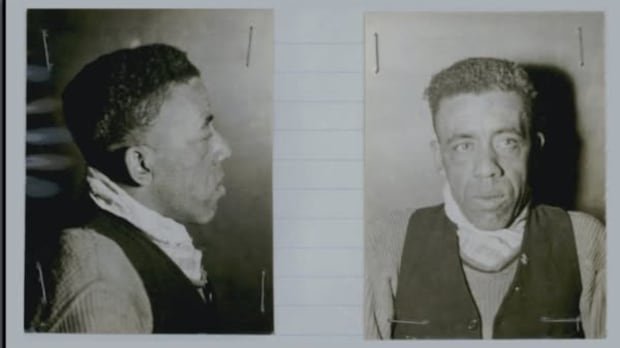

In 1935, Daniel Perry Sampson faced the gallows behind a Halifax courthouse, marking the final execution in the city under capital punishment. Despite claims of innocence from his family, he was convicted of a crime. Nearly a century later, a lawyer from Ontario and a relative of Sampson aim to clear his name.
Sampson, an African Nova Scotian and a veteran of the No. 2 Construction Battalion, was alleged to have confessed to the murders of two white boys by signing with an X. However, discrepancies arise as historical records show Sampson could sign his full name, having acquired literacy skills during his military service.
Lawyer David Steeves raised concerns over the authenticity of the confession, citing a forensic document examiner’s analysis indicating potential tampering. He posits that Sampson may not have authored the incriminating document, suggesting a miscarriage of justice fueled by racial bias prevalent at the time.
The case now awaits review by the federal justice minister and the Criminal Conviction Review Group. Descendant Lance Sampson initiated the appeal, submitting it on the 90th anniversary of Daniel Sampson’s death. Highlighting the impact of racism on the handling of the case, Steeves underscores the absence of diversity in the all-white jury that adjudicated Sampson.
Steeves discloses over 15 pieces of new evidence casting doubt on the validity of Sampson’s conviction, including witness inconsistencies and police misconduct. He challenges the narrative of a violent crime, proposing an alternative theory that the boys perished in a train accident while berry picking.
The pursuit of exoneration for Daniel Sampson symbolizes a quest for justice and historical correction, shedding light on a troubling chapter in Halifax’s past.