


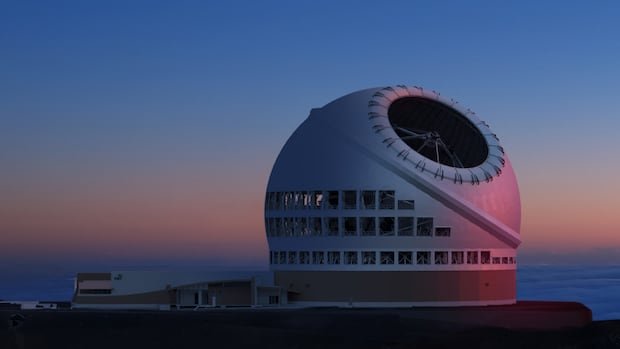

A new opportunity has emerged for the long-awaited construction of the largest telescope in the Northern Hemisphere on Mauna Kea in Hawaii. Spain has stepped in with fresh funding and a new proposed location on the island of La Palma, revitalizing the stalled project.
The Thirty Meter Telescope (TMT), initially planned for Mauna Kea alongside other telescopes, faced opposition from Hawaiian Indigenous communities due to the mountain’s sacred significance. In response to concerns about environmental and cultural impacts, construction delays ensued, leading to increased costs.
Spain has offered €400 million ($648 million) to support the development of the TMT on Roque de los Muchachos in La Palma, part of the Canary Islands. While the site is not as high as Mauna Kea and experiences less clear weather, it has been identified as a viable alternative, given its existing infrastructure with over 20 astronomical telescopes.
Despite this new opportunity, objections from a local environmental group, Ben Magec-Ecologists in Action, highlight ongoing challenges. The group’s opposition to the project’s relocation to Spain underscores the importance of inclusive decision-making processes to avoid costly delays and conflicts.
The significance of the TMT lies in its size, as larger telescopes with expansive mirrors enable the observation of distant celestial objects. The project represents one of three “megatelescopes” under development globally, with the Extremely Large Telescope and Giant Magellan Telescope planned for Chile.
Planning for the TMT began over two decades ago, with contributions from various countries, including Canada. Mauna Kea was initially chosen for its optimal location above cloud cover and clear skies. However, past observatories on the mountain were constructed without the consent of Native Hawaiians, leading to the current standoff at the site since 2014.
The escalating costs of the TMT, amounting to $3.9 billion US, have been compounded by recent setbacks, including the withdrawal of U.S. support and shifting priorities towards other telescope projects. These challenges highlight the complexities of mega-projects and the importance of engaging with Indigenous communities from the outset.
Ground-based telescopes like the TMT offer advantages in servicing, longevity, and adaptability compared to space-based counterparts like the James Webb Space Telescope. The ability to upgrade and maintain ground telescopes underscores their enduring value despite advancements in space-based observation technology.
The experiences of the TMT project emphasize the necessity of inclusive decision-making processes and respectful engagement with Indigenous communities in large-scale developments. Similar lessons can be drawn from other projects globally, underscoring the importance of upfront consultations to mitigate risks and ensure project success.