


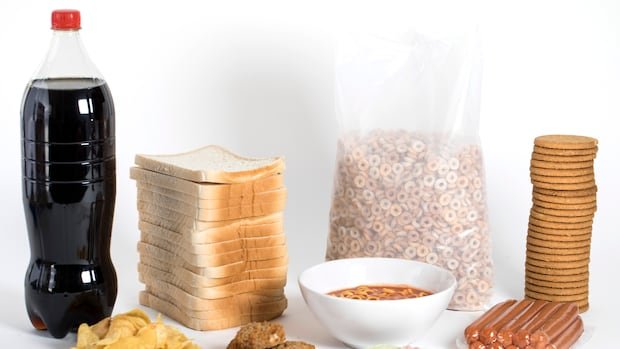

Nearly half of the Canadian diet consists of ultra-processed foods that can negatively impact health and are currently under scrutiny. Recent findings from medical researchers have linked the consumption of these foods to the increasing rates of colorectal cancer in young adults. Previous studies have also associated higher intake of ultra-processed foods with conditions such as obesity, Type 2 diabetes, and heart disease.
The popularity of ultra-processed foods has surged in recent years, causing concern among health experts. Dr. Andrew Chan, a gastroenterologist at the Mass General Brigham Cancer Institute in Boston, highlighted the potential role these foods play in compromising gut health.
Consuming a high amount of ultra-processed foods, particularly from eating out, while neglecting unprocessed or minimally processed alternatives like fresh vegetables, and legumes without added salt, can have significant health implications, according to registered dietitians studying the Canadian population’s health.
Ultra-processed foods are typically mass-produced and contain high levels of fats, starches, added sugars, and hydrogenated fats extracted from various sources. They often include preservatives to prolong shelf life and lack essential nutrients like fiber. Additionally, these foods may contain artificial sweeteners, protein isolates, glucose/fructose syrup, and additives such as artificial colors and flavors.
The Nova food classification system categorizes foods based on their level of processing, ranging from unprocessed to ultra-processed. Highly processed foods with lengthy ingredient lists are generally associated with lower nutrient density and increased health risks. However, there are exceptions, such as certain nutrient-rich yogurts and high-fiber cereals that can offer health benefits.
To reduce consumption of ultra-processed foods, experts recommend opting for fresh or flash-frozen ingredients and preparing meals at home. Choosing unprocessed or minimally processed foods like vegetables, legumes, fruits, nuts, and whole grains can contribute to a healthier diet. Prioritizing real, whole foods as the foundation of one’s diet is encouraged by health organizations like Heart & Stroke.