


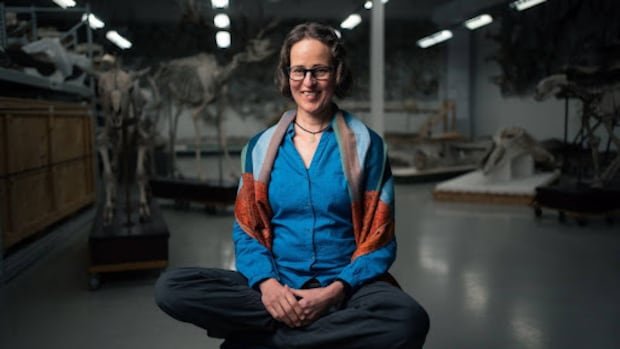

Natalia Rybczynski, residing in Ottawa, shared her personal journey with CBC producers. As a dedicated paleontologist specializing in the Canadian High Arctic, she embraced the belief that hard work and determination could lead to achieving any goal.
Her work involved exploring ancient ecosystems, like the existence of camels in Canada’s Far North four million years ago. Leading research expeditions, mentoring students, and publishing findings were regular tasks for her. A skiing accident in 2011 changed her life trajectory.
During a night ski near Ottawa, a collision with another skier resulted in a concussion, causing memory gaps and physical discomfort. Initially hopeful for a quick recovery, Natalia’s symptoms persisted, affecting her Antarctic expedition a month later. The tumultuous Drake Passage exacerbated her condition, leading to memory lapses and increased symptoms.
Despite medical reassurances, her symptoms worsened, eventually diagnosed as post-concussion postural orthostatic tachycardia syndrome in 2014. Medication provided some relief, but her daily life was still challenging due to fluctuating symptoms affecting her work and personal activities.
After years of perseverance, Natalia retired in 2016, realizing the limitations imposed by her condition. The loss of her career and identity as an active scientist was profound. Supported by her family, especially her husband, she continues to navigate the complexities of her health struggles.
Acknowledging the impact of her brain injury, Natalia now emphasizes the balance between hope and acceptance. Despite ongoing symptoms and therapies, she finds solace in small joys and moments of paleontological research. Returning to field work in the High Arctic in 2024 marked a significant milestone in her healing journey, reflecting her resilience and determination to find beauty in life’s challenges.