


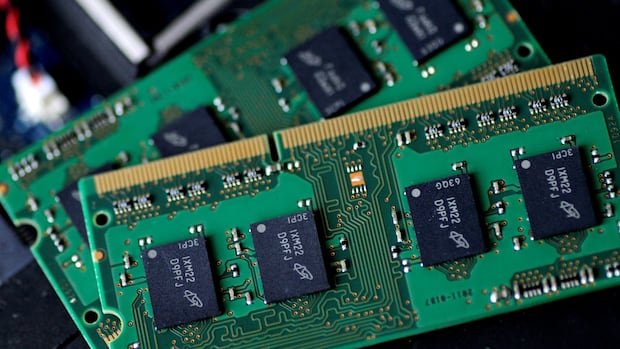

The demand for random-access memory (RAM) is surging across various electronic devices, leading to a significant price hike. Memory manufacturers are shifting their focus from consumer products to catering to artificial intelligence (AI) companies that require extensive memory for data centers.
Mark Chen, a store manager at Uniway Computers, noted a drastic increase in RAM prices. A 32GB DDR5 memory kit that used to cost under $130 in October now sells for over $400. Micron Technology Inc., a major RAM manufacturer, recently announced its withdrawal from the consumer market to concentrate on supplying memory to AI data center clients.
The AI boom is driving a global memory shortage as companies like OpenAI and Google rush to expand data centers, requiring large amounts of high-bandwidth memory. This has prompted manufacturers like Micron, Samsung, and SK Hynix to redirect their resources to producing memory for AI applications, causing consumer prices to skyrocket.
Lenovo, for instance, is stockpiling RAM due to the unprecedented supply crunch. The surge in memory prices is impacting various industries, with the personal computer market being the first to feel the effects. Consumers are experiencing higher prices for memory components, solid-state drives, and may soon face increased costs for video cards.
While the memory shortage is expected to persist, the long-term effects remain uncertain. Shih suggested that computer manufacturers may adjust memory configurations or promotional offers to offset rising costs. Consumers are advised to delay upgrades if possible, as the situation is likely to worsen with Micron’s exit from the consumer memory market.
As companies secure RAM contracts in advance, the immediate impact on products like cellphones may be delayed. However, the ongoing demand for memory from AI data centers continues to drive up prices, creating challenges for both consumers and retailers in the electronics market.