


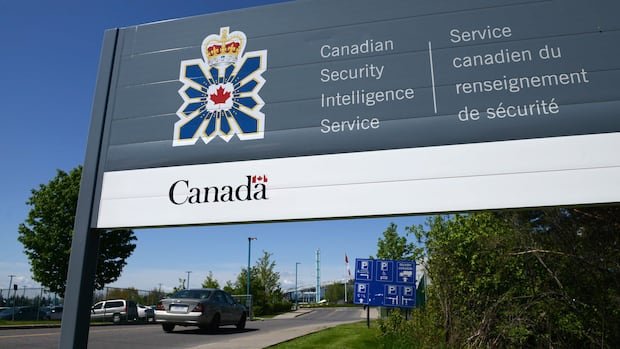

The Canadian Security Intelligence Service (CSIS) is voicing concerns regarding the potential impact on its investigations if changes are not made to the Liberal government’s security bill. CSIS officials, who requested anonymity due to the sensitive nature of their work, highlighted challenges in obtaining court-approved information from electronic service providers, hindering national security probes.
A recent briefing with CBC News shed light on CSIS’s struggles under Bill C-2, a contentious legislation initially aimed at enhancing border security but also encompassing lawful access and surveillance amendments for CSIS and the RCMP. Following strong criticism, the bill was split by the government.
While the government is moving swiftly to advance the border provisions under the new Bill C-12, the fate of Bill C-2 remains uncertain. Public Safety Minister Gary Anandasangaree emphasized the importance of incorporating the “right type of amendments” without specifying a timeline.
CSIS sources stressed the critical need for access to electronic data, citing challenges in dealing with service providers and potential repercussions on high-threat investigations. They expressed frustration over the current system, likening it to the “Wild West,” where compliance varies among providers.
Privacy advocates have raised alarms about the bill, pointing to perceived overreach and concerns over granting broad powers to the public safety minister. Critics argue that the proposed legislation could compromise privacy rights and create undue discretion in accessing subscriber information without warrants.
Despite pushback, CSIS is not alone in lobbying for changes to enhance legal access to Canadians’ information. Recent reports by intelligence watchdogs have underscored the importance of addressing gaps in legal access tools and policies to safeguard national security effectively.
Experts and lawyers have warned about the potential ramifications of the bill, suggesting that past attempts to bridge legal access gaps have been met with challenges. The current political landscape surrounding Bill C-2 is viewed as a potential setback for security and criminal investigations, eliciting concerns about the bill’s impact on law enforcement operations.