


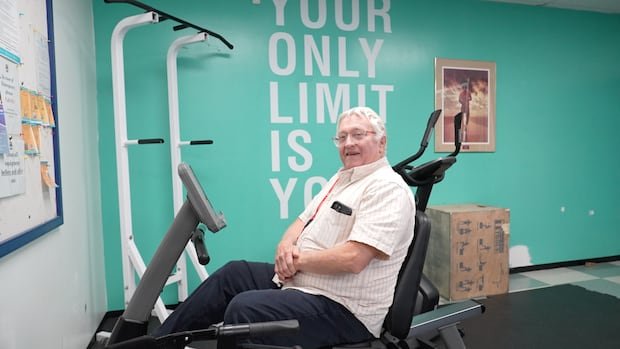

Ian Walters was prescribed a unique remedy by a community paramedic last summer. Instead of medication, he was given access to the Similkameen Recreation Centre in Keremeos, B.C., where he could utilize the gym facilities and participate in various programs. Walters, who deals with a speech and hearing-affecting tumor and limited mobility, now frequents the rec center three days a week for gym sessions, group classes, and summer swimming.
This initiative is part of a pioneering pilot program by the Regional District of the Okanagan-Similkameen designed to support individuals in managing health conditions through physical activity and social engagement. Walters attests to the positive impact of the prescription on his overall well-being, noting significant improvements in his mobility and health since commencing the program.
Aside from the physical benefits, Walters also credits the program with providing vital support during a challenging period in his life following the loss of his wife. Andy Foster, the recreation manager at the Regional District of the Okanagan-Similkameen, revealed that around 20 residents have already availed themselves of these unique prescriptions, which are distributed by healthcare practitioners to promote recreation and faster healing.
Foster emphasized that the program incurs minimal costs for the regional district, primarily involving additional staff time and some equipment maintenance. The district is optimistic about extending the program in the future. Tim Roberts, the Area G director, highlighted the program’s significant advantages compared to its costs, particularly in aiding individuals facing isolation and mobility limitations.
The initiative arrives against the backdrop of healthcare challenges in the region, including recent service reductions at the South Similkameen Health Centre. Paramedical nurses have played a crucial role in enrolling participants given these challenges. The positive outcomes of the program have garnered attention, with Victoria Whiteford, a researcher at the University of British Columbia, emphasizing the importance of overcoming barriers to exercise in prescriptive recreation programs.
Walters expressed gratitude for the program’s support and hopes it continues to benefit others seeking improved health through prescribed physical activity.