


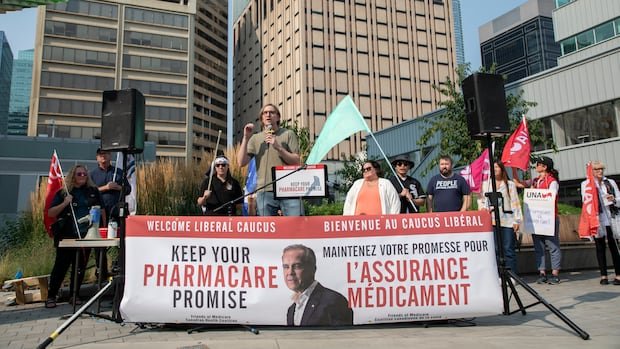

Canada’s national pharmacare program is currently at a standstill, as the federal health minister has confirmed that Ottawa is not engaging in discussions with the remaining provinces and territories to finalize agreements. The recent budget did not allocate additional funds for expanding coverage nationwide, raising concerns about the future of the public drug plan.
Over a year ago, the Canada Pharmacare Act was passed by the Trudeau government, outlining commitments to establish agreements with all provinces and territories to cover the expenses of contraceptive and diabetes medications and devices. While four provinces and territories – B.C., Manitoba, P.E.I., and Yukon – signed deals with Ottawa before the federal election, no new agreements have been announced since then. Health Minister Marjorie Michel stated that her department is not actively negotiating further agreements at this time.
When contacted by CBC News, the remaining provinces and territories revealed that they were not currently in talks with Ottawa except for Saskatchewan and New Brunswick, which expressed readiness to engage. Alberta raised concerns about the program’s long-term sustainability and the need to determine which medications would be covered. Despite some provinces showing interest in signing agreements under the original framework, others, like Nova Scotia, have not received responses from the federal government.
Critics point to the lack of new funding in the recent budget as a sign that the government may not be fully committed to advancing pharmacare. Prime Minister Mark Carney’s messaging on pharmacare has been inconsistent, with promises to pursue remaining agreements but no additional budget allocation for future deals. Advocates highlight that only 17% of Canadians are currently covered by pharmacare, leading to disparities in access to essential medications.
The federal NDP has expressed concern over the government’s lack of clarity and action on pharmacare, emphasizing the importance of fulfilling commitments made under the confidence-and-supply agreement. Health critic Gord Johns criticized the government for not prioritizing pharmacare and called for more decisive action to ensure equitable access to medication across the country.