


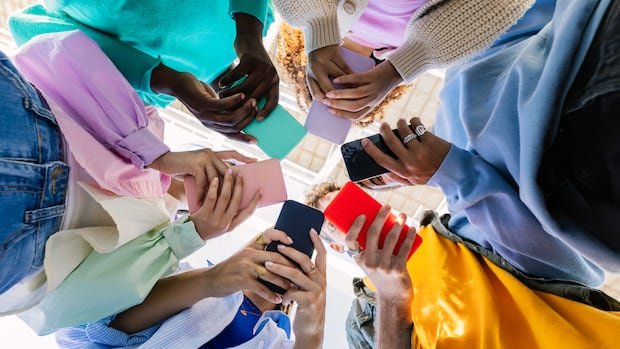


With moves to restrict social media for children under 16 in countries like Australia and under 15 in Denmark, and ongoing considerations for similar bans in Quebec and Nova Scotia, some 2SLGBTQ+ youth are expressing concerns about losing access to crucial online communities that facilitate identity exploration and support.
London Clark, a queer youth from Vancouver, shared how social media played a pivotal role in helping them understand their identity when they were younger, providing a platform to learn about the queer community and seek support.
These sentiments are echoed in a 2024 survey by The Trevor Project, where 68% of 2SLGBTQ+ youth respondents felt that online spaces offered affirming environments, compared to lower percentages for home, school, and community events.
Raine Hermosa, a queer and aromantic youth, emphasized how cutting off social media for 2SLGBTQ+ individuals could deprive them of crucial support systems, especially in areas where in-person resources are limited or inaccessible.

Hermosa highlighted the challenges faced by queer youth in accessing supportive resources offline, pointing out the importance of online spaces for those whose identities are stifled in traditional environments.
Christopher Dietzel, an assistant professor at Concordia University specializing in technology, safety, and gender studies, emphasized the transformative impact of digital spaces on the 2SLGBTQ+ community, providing safer avenues for exploration and connection compared to previous generations’ experiences.
Omid Razavi, the executive director of It Gets Better Canada, emphasized the life-saving potential of online communities for 2SLGBTQ youth, offering vital support and education that may not be readily available offline.
Jessica Winton shared her personal experience of finding solace and community online as a trans individual, highlighting the importance of digital spaces in providing support and acceptance for marginalized identities.
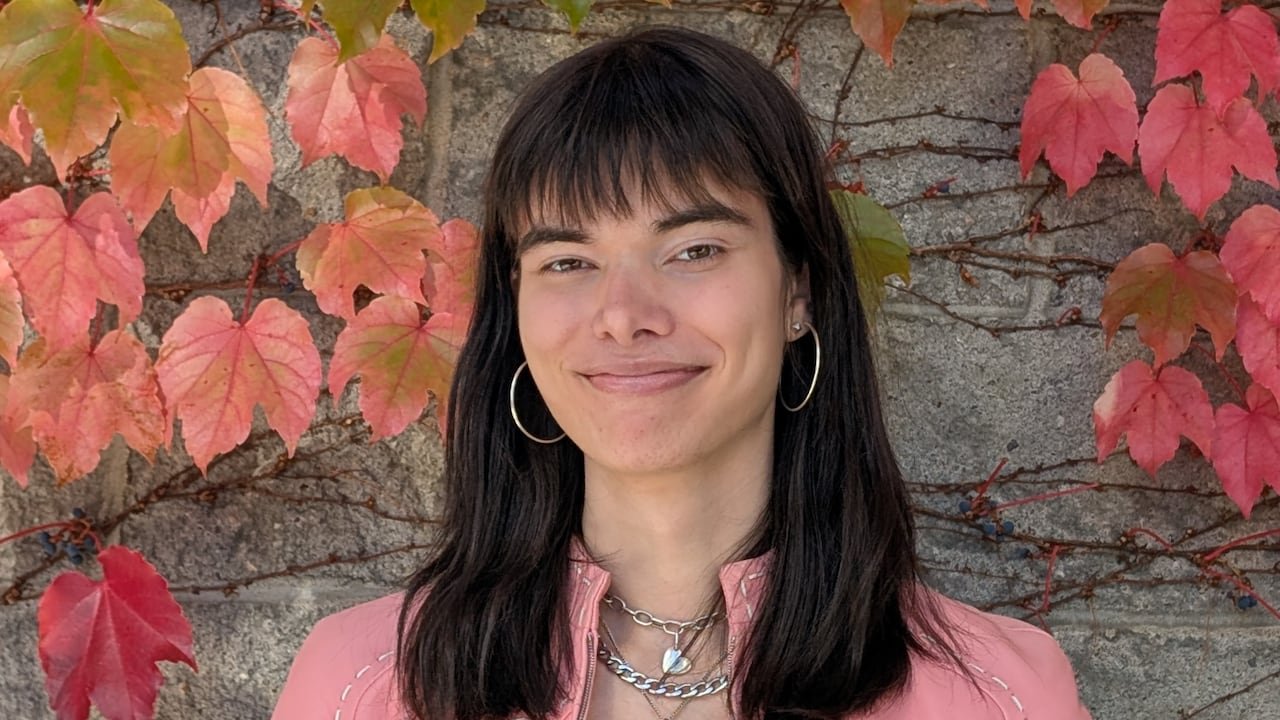
Razavi and Dietzel advocated for maintaining access to social media for young people, highlighting the need for enhanced protections against cyberbullying and hate speech instead of imposing blanket bans.
Both experts emphasized the necessity of equipping youth with the skills to navigate the digital landscape safely and responsibly, underscoring the importance of leveraging technology for positive outcomes rather than restricting access.
If you or someone you know is struggling, here’s where to get help:
- Talk Suicide Canada: 1-833-456-4566 (phone) | 45645 (text between 4 p.m. and midnight ET).
- Kids Help Phone: 1-800