


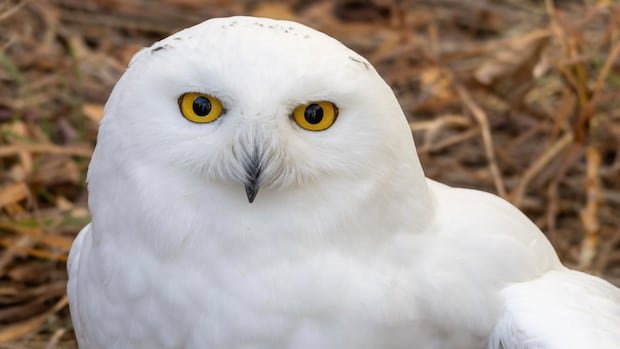

Snowy owls make their annual migration to the Prairies, seeking ample rodent prey in the vast open spaces. This year’s migration is unique due to the recent classification of snowy owls as a threatened species. The Committee on the Status of Endangered Wildlife in Canada (COSEWIC) declared this status in May, following a 40% decline in snowy owl population over the past 24 years, as highlighted by Louise Blight, an adjunct associate professor at the University of Victoria.
Various challenges confront snowy owls, including habitat loss in their Arctic nesting grounds due to climate change. The melting sea ice caused by rising temperatures reduces the owls’ hunting platforms. Additionally, avian influenza poses a threat to snowy owls, with 15 cases reported in Canada since 2021, affecting both the birds and their winter prey.
During their southern migration, snowy owls face dangers such as vehicle collisions, electrocution from power lines, entanglement in human structures, and poisoning from consuming prey exposed to rodenticides. Colin Weir, managing director of the Alberta Birds of Prey Foundation, mentioned encountering snowy owls affected by these hazards.
Tracking snowy owl numbers proves challenging due to their nomadic behavior, making traditional surveys difficult. Despite the insights gained from attaching transmitters to monitor movement patterns, confirming population changes remains a hurdle. Data on snowy owl populations often relies on initiatives like the Christmas Bird Counts, but the unpredictable movement patterns make tracking trends challenging.
With snowy owls now classified as a threatened species in Canada, there is a growing interest among researchers to enhance understanding and conservation efforts for these majestic birds.