


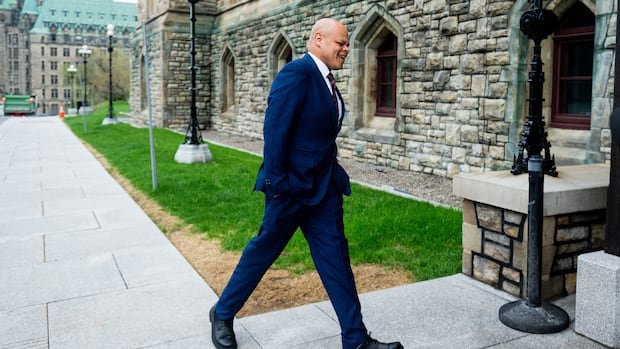

Conservative MP Jamil Jivani is spearheading an initiative called “Restore the North” with a key question in mind: How can we revitalize the northern regions and ensure Canada fulfills its promise for all citizens? The project, primarily focused on addressing policy gaps to support young men who are disproportionately represented in crime, overdose, and homelessness statistics, gained momentum after the tragic death of American conservative figure Charlie Kirk.
Jivani’s campaign has evolved into a series of campus tours, blending elements of a rally, recruitment drive, and debate forum. Participants engage in discussions with Conservative MPs, rotating except for Jivani, who leads the events inspired by Kirk’s successful campus engagements in the United States. The recent tour in southern Ontario, including a stop at the University of Toronto Mississauga, attracted young men disillusioned by limited job prospects and the divisive impact of identity politics on issues like “toxic masculinity.”
During the event, attendees expressed concerns about feeling marginalized, particularly young white men facing challenges in a competitive job market. Some shared personal experiences, like Brock University student Brady Burns and Stefano Piscione, outlining frustrations with job searches and advocating for reduced immigration levels to prioritize local labor. Experts view this demographic as the emerging core of the Conservative Party’s base, as younger voters increasingly align with conservative values.
Jivani, a rising figure in Canadian Conservative circles, gained prominence through his book “Why Young Men,” exploring factors driving radicalization among youth while recounting his personal journey from adversity to academic success. Emphasizing resilience and hope, Jivani aims to empower youth and promote civic engagement. Despite his controversial stances on issues like immigration and free speech, Jivani’s willingness to engage in challenging conversations sets him apart within the party.
The campus events reflect a broader trend of young men gravitating towards conservative ideologies, driven by economic anxieties and a desire for alternative perspectives. Jivani’s efforts to cultivate open dialogue align with the ongoing debate on free speech in academic settings, resonating with attendees seeking diverse viewpoints and intellectual exchange. While some critics question the focus on young men and the alignment with Kirk’s legacy, supporters see it as a crucial step in shaping political discourse and fostering leadership.
Attendees, like Piscione, acknowledge the complexities and risks associated with embracing controversial figures like Kirk but emphasize the importance of engaging with diverse perspectives to navigate modern challenges. The initiative, while drawing mixed reactions, underscores the evolving landscape of political engagement and the role of young voices in shaping Canada’s future.