


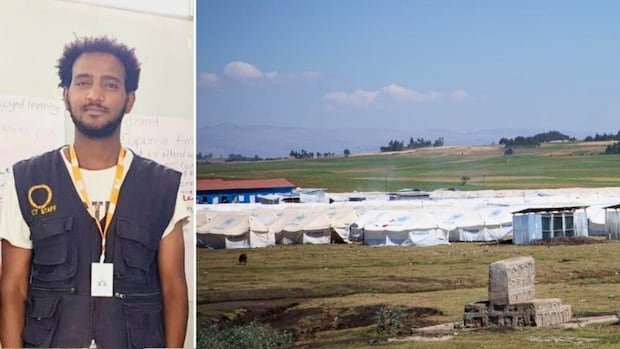

Clinical psychologist Samuel Kebede describes Post-Traumatic Stress Disorder (PTSD) as a fragmented memory resulting from intense fear. He explains that in such cases, the brain can disperse the memory, making it inaccessible and scattered in unfamiliar places. Even after relocating to a safe environment like Canada, individuals may still experience triggers from these fragmented memories, leading to flashbacks, panic attacks, depression, sleep disturbances, and strained relationships.
As a refugee himself, Kebede empathizes with the struggles of the Eritrean community, particularly in accessing mental health support. Recognizing the dire need for specialized care within the community, efforts are underway to bring Kebede to Calgary to offer therapy in Tigrinya, the community’s native language, to help individuals piece together their traumatic memories in a therapeutic manner.
The Eritrean community in Calgary has faced significant challenges, with several tragic incidents involving young Eritrean newcomers at after-hours drinking events. Community leaders believe untreated trauma plays a role in these incidents. In response, they have reached out to Kebede for assistance and are actively seeking ways to sponsor his immigration to Canada through a program that prioritizes economic need and refugee status.
Accessing mental health services is a common struggle for newcomers in Calgary, as highlighted by Mohammad Raihan, a researcher focusing on barriers to mental health care. Cultural differences, language barriers, and lack of awareness about available services often hinder newcomers from seeking help through mainstream healthcare channels. Raihan emphasizes the importance of culturally sensitive initiatives, such as community-led health clinics, in providing essential support to individuals grappling with trauma.
Dr. Annalee Coakley, a specialist in refugee care, acknowledges the inadequacies of the mainstream healthcare system in addressing the mental health needs of diverse populations. Recognizing the fragmented nature of mental health services, various agencies in Calgary have established their own mental health teams with multilingual capabilities to bridge the gap in support services for newcomers.
Despite the existence of Tigrinya-speaking psychologists in Calgary, the process of obtaining certification poses a challenge for many professionals. Kebede, along with the Eritrean community’s support, is navigating the stringent certification requirements to practice as a psychologist in Canada. While the immigration process is ongoing, Kebede’s dedication to supporting his community remains unwavering.
Kebede’s journey from Eritrea to Ethiopia and his experience working with Eritrean refugees in traumatic settings underscore his commitment to mental health advocacy. His aspiration to bring about positive change and meaningful results for the Eritrean community in Canada reflects his deep-rooted passion for healing and supporting those grappling with invisible wounds like PTSD.