



Welcome to our weekly newsletter focusing on environmental trends and solutions driving us towards a more sustainable world.
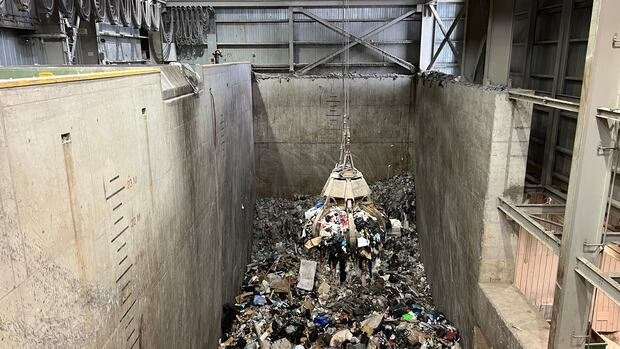
Last week, an Instagram post about Toronto’s waste incineration plans sparked questions about its viability. The city is grappling with a waste disposal crisis as its main landfill nears capacity, prompting consideration of incineration as an alternative waste management solution.
Traditionally, North America resorts to landfilling as a primary waste disposal method. Despite advancements in landfill engineering to mitigate environmental impacts, communities resist landfills in their vicinity. Toronto’s search for waste disposal alternatives led to exploring incineration, or energy-from-waste, as a potential solution. The city sought public input through surveys, contemplating incineration as a viable waste management strategy given the impending landfill space shortage.
While the debate continues on the environmental impact comparison between landfills and incinerators, technology advancements in incineration have improved emissions control and energy recovery. Proponents argue that incineration reduces greenhouse gas emissions compared to landfills, citing energy generation and metal recovery benefits.
However, critics raise concerns over incinerator emissions and advocate for enhancing landfill methane capture technologies as a more sustainable waste management approach. Focusing on waste reduction efforts and producer responsibility programs emerges as a preferred strategy over costly waste disposal methods like incineration.
In the midst of waste management dilemmas, the necessity to prioritize waste reduction and sustainable practices becomes evident. The debate on waste disposal methods underscores the urgency for proactive environmental stewardship in waste management strategies.
Thank you for being part of our environmental journey.
Inayat Singh