


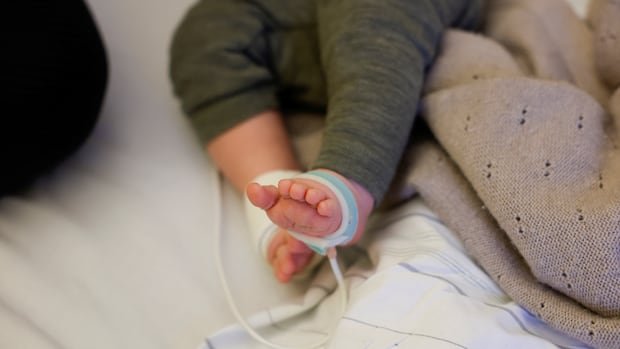

Katrina Bellavance, a mother from Calgary, was alarmed when her seven-week-old baby began coughing persistently and struggling to breathe in 2023. Upon noticing the skin around her infant’s ribs pulling inward with each breath, Bellavance rushed her to the hospital. The diagnosis was respiratory syncytial virus (RSV), a common yet dangerous infection that affects infants’ respiratory systems, causing breathing difficulties, wheezing, and even pneumonia.
Despite RSV being a leading cause of infant hospitalization, recent advancements offer hope for prevention. Monoclonal antibody shots have shown remarkable effectiveness in reducing RSV hospitalizations by over 80%. Dr. Jesse Papenburg of the Montreal Children’s Hospital hailed this progress as a significant breakthrough in respiratory virus prevention.
Global data reveals substantial reductions in RSV admissions following the introduction of antibody shots. In Spain and Chile, hospitalizations plummeted by up to 90% and three-quarters, respectively. In Quebec, a universal infant antibody shot program led to the prevention of over half of the typical RSV-related hospitalizations and ICU admissions in a season.
However, the accessibility of these preventive measures remains a concern in Canada. Disparities exist in the rollout of RSV shots across provinces, with some regions only offering them to high-risk infants. While Ontario leads in funding both infant and maternal vaccinations, other provinces lag behind in providing comprehensive coverage.
Physicians emphasize the importance of equitable access to RSV prevention, highlighting the high costs associated with infant RSV infections. Studies show that hospital stays for RSV can exceed $8,000, underscoring the economic burden of the disease. Preventing RSV infections through vaccination is deemed a more cost-effective approach in the long run.
Efforts to expand access to RSV shots and improve uptake are crucial to safeguarding infants from severe respiratory illnesses. As the medical community continues to advocate for broader immunization programs, the goal remains to protect vulnerable infants and alleviate the strain on healthcare systems caused by RSV-related hospitalizations.
Katrina Bellavance hopes that more infants in her province and across Canada will have access to the preventive measures that her daughter did not have, emphasizing the significant impact that even a brief hospital stay can have on families facing the challenges of infant respiratory infections.