


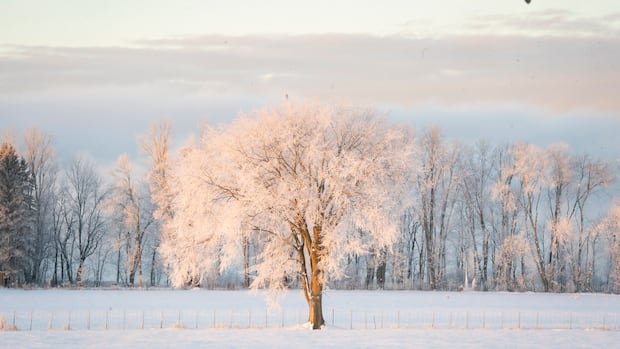

Amid the ongoing events of 2026, an extreme cold wave is gripping much of Canada and the northern United States, with temperatures plunging well below -20 degrees Celsius, reaching as low as -40 degrees Celsius in certain areas due to a polar vortex disruption. While social media buzzed with claims of trees exploding in several northern states like Minnesota, experts have clarified that such a phenomenon is unlikely to occur.
The frigid conditions, caused by Arctic air being pushed southward, pose serious risks to residents and will contribute to a significant winter storm spanning approximately 30 states over the weekend. The notion of trees exploding stems from the formation of frost cracks in thin-barked trees when temperatures drop suddenly and significantly. These vertical splits can extend along the trunk, resembling an explosion in sound, as water and sap freeze rapidly, causing pressure that can lead to tree splitting.
Although frost cracks do not harm the tree and typically heal in warmer weather, repeated cracking and healing can result in permanent scars known as frost ribs. Certain factors like tree species, lack of foliage, and excessive pruning make hardwood trees more susceptible to frost cracks. While the risk of trees exploding due to extreme cold is minimal, other winter phenomena such as thundersnow and frost quakes, caused by rapid freezing of moisture in the ground, can also create loud booms and tremors.
Instances of these natural occurrences provide insights into the unique effects of severe winter weather, showcasing the diverse impacts it can have on the environment beyond just plummeting temperatures.