




Canadian authorities have instructed that Iranian pistachios previously imported into the country must undergo testing for salmonella before being put up for sale. This directive coincides with an ongoing investigation into a nationwide outbreak involving 155 confirmed cases of salmonella infection, although the actual number of cases is likely higher as not all affected individuals seek medical evaluation.
Within the identified cases, 24 individuals required hospitalization, with no reported fatalities. The illness onset spanned from early March to mid-November.
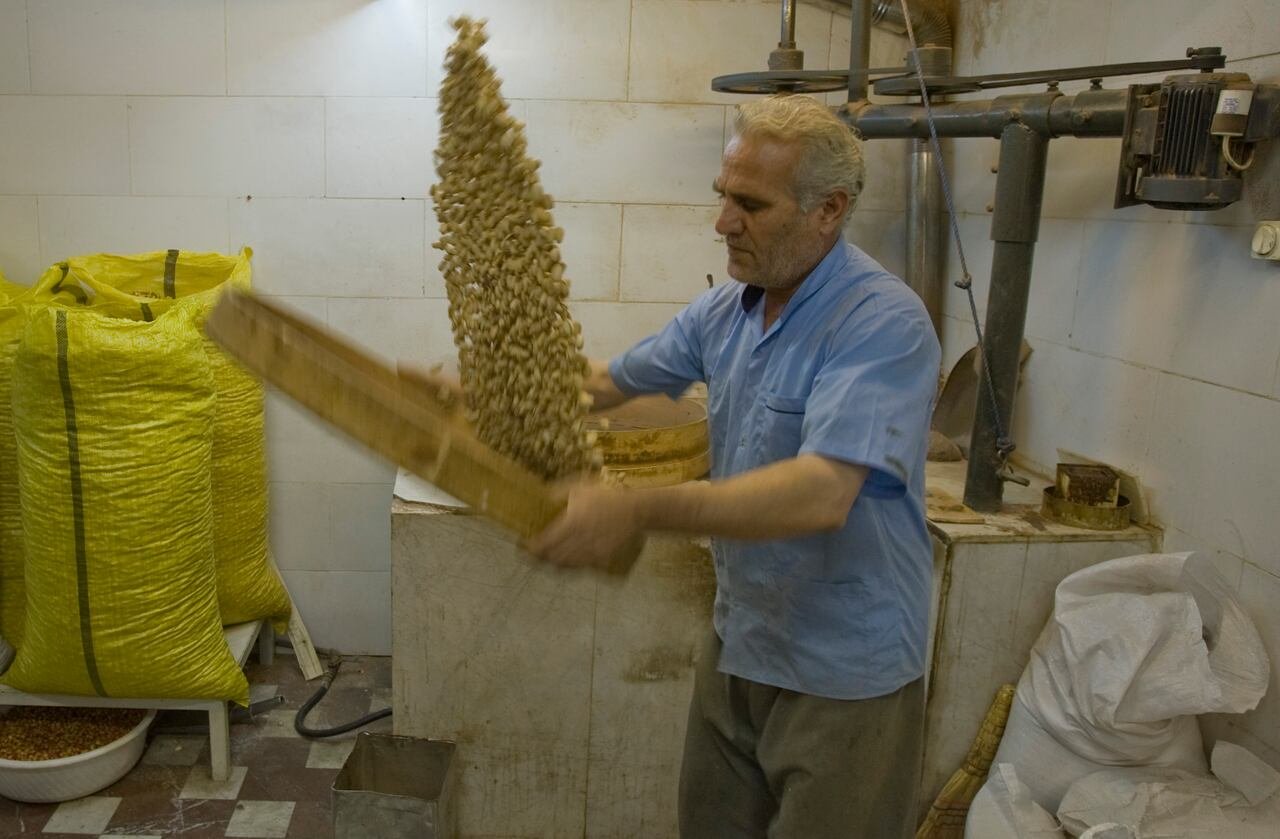
On Tuesday, federal authorities recommended that consumers should consider avoiding pistachios and related products from Iran due to potential contamination with various strains of salmonella. Many afflicted individuals reported consuming pistachios or products containing them, such as Dubai-style chocolate and pastry items.
The Canadian Food Inspection Agency (CFIA) highlighted several brands of pistachios and pistachio-containing products, including Dubai pistachio and knafeh milk chocolate, as being subject to recall. The investigation is ongoing, with the possibility of identifying more affected food items.
Why is salmonella prevalent in nuts?
Salmonella infection, a food-borne bacterial illness, can lead to symptoms like fever, headache, vomiting, nausea, cramps, and diarrhea. The contamination occurs when fecal matter from infected humans or animals enters the oral cavity, typically through the consumption of contaminated food or beverages.
Microbiologists point out that salmonella can be widespread in cultivation areas due to factors like manure runoff from livestock operations and sewage leaks. Certain salmonella strains, such as the Havana serotype, may persist in soil, according to Keith Warriner, an expert in food safety at the University of Guelph.

Pistachios, growing on trees, are susceptible to contamination by birds, insects, or fungi during cultivation, harvesting, or processing. Health officials advise individuals, retailers, distributors, and food service establishments across Canada to be cautious as pistachio products with a long shelf life purchased months ago may still be in circulation.
Consumers are urged to consult CFIA’s recall listings to verify if their purchased products are affected and to compare product details with recall notices, including brand, product name and size, UPC, and codes. PHAC recommends against consuming, serving, selling, or using recalled products in cooking or baking, as heat treatment may not eradicate salmonella present in pistachios. Affected products should be disposed of or returned to the point of purchase.
Food microbiologists highlight that salmonella can survive well in dry food items. Previous outbreaks have been linked to various nuts like almonds, as well as chocolate and flour.
Research has shown that delays in drying processes can contribute to increased pathogen growth in pistachios.
Concerning Chocolate
Food scientists emphasize that processing may not eliminate salmonella bacteria entirely. When contaminated nuts are incorporated into chocolate, the salmonella can withstand stomach acid, and even low doses can lead to illness, as per Warriner.
Iran’s Involvement in the Outbreak
The affected pistachios in this outbreak were imported from Iran, with pistachios from other countries not affected, as per the Government of Canada. Officials recommend avoiding products if the country of origin cannot