


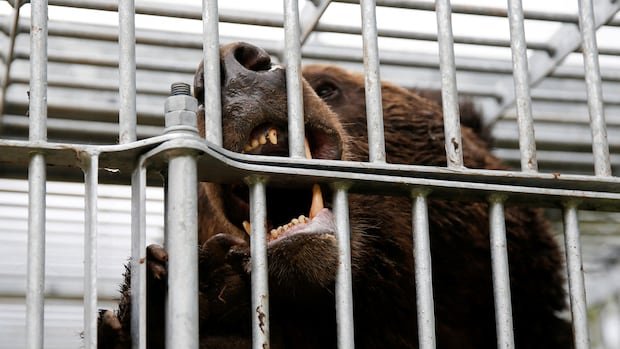

Japan has dispatched military personnel to address a wave of bear attacks causing fear among residents in Akita, a mountainous region in the country’s north. Incidents involving brown bears and Asiatic black bears, some resulting in fatalities, have been occurring frequently as the animals search for food near schools, train stations, supermarkets, and even a hot springs resort.
Since April, over 100 people have been injured and at least 12 individuals have lost their lives in bear encounters across Japan. The rise in bear numbers encroaching into human settlements is particularly concerning in an area with an aging and diminishing population, lacking individuals trained in bear hunting. The government estimates the bear population to exceed 54,000.
In an effort to address the escalating situation, the Defence Ministry and Akita prefecture have joined forces to deploy soldiers for tasks such as setting traps, assisting local hunters, and removing deceased bears. Notably, officials have clarified that soldiers will not resort to firearms in dealing with the bear issue.
The operation kicked off in Kazuno city, a location with numerous bear sightings and injuries. Equipped with protective gear and non-lethal tools, soldiers established traps in strategic areas. The community, overwhelmed by the bear influx, is in urgent need of assistance due to manpower shortages, as highlighted by Akita Gov. Kenta Suzuki.
While the primary duty of military personnel is national defense, Defence Minister Shinjiro Koizumi emphasized the importance of safeguarding citizens from bear threats. However, he noted that the Self-Defence Forces have limited capacity to continually support bear-related activities. Despite the ongoing challenges, no other prefectures have requested military aid for bear-related issues.
The bear incidents in Akita prefecture, where over 50 individuals have been attacked since May, resulting in at least four fatalities, have predominantly occurred in residential areas. The aging population, deserted neighborhoods, and the presence of fruit-bearing trees like persimmons and chestnuts attract bears, creating a cycle of recurring visits once food sources are discovered.
Experts attribute the escalating bear problem to the combination of Japan’s aging rural population, diminishing hunting expertise, and inadequate preventative measures in northern regions. To address these issues, proposals are being considered, including training police and authorities as “government hunters,” conducting bear population surveys, enhancing bear warnings, and revising hunting regulations to manage the bear population effectively.