


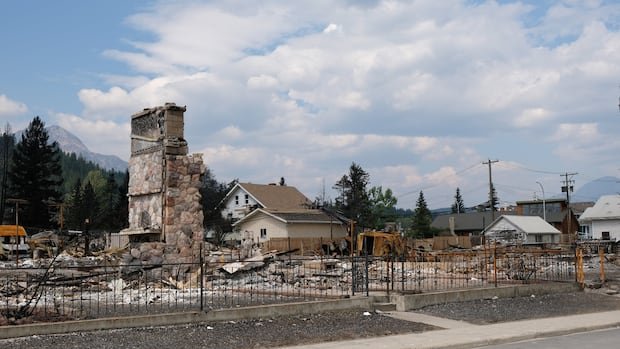

Canada’s wildfire seasons are experiencing prolonged durations, increased sizes, and heightened destructiveness, as revealed by a comprehensive analysis of fire data spanning six decades conducted by the Canadian Forest Service under the federal government. The findings indicate that the escalation in wildfire impact is not attributed to a surge in fire frequency but rather to a smaller number of larger fires that are consuming more land area than in previous years, corroborating a trend previously identified by federal scientists.
A study in 2019 by fire experts at Natural Resources Canada disclosed a continuous escalation in wildfire activity nationwide since the mid-20th century, driven by escalating temperatures and extended fire seasons. While some regions exhibited clear rises in burned areas, others demonstrated stable or declining trends. Although human-caused fires were thought to be decreasing due to prevention efforts over decades, the largest fires, though increasing in size, had not yet dominated the national landscape.
An updated research study, published in the Canadian Journal of Forest Research, extends the analysis through 2024 using enhanced satellite mapping techniques and data from nine additional fire seasons, including notably severe years in 2021, 2023, and 2024. The study discovered that wildfires continue to expand in size across almost all Canadian eco-zones, including regions like the Pacific Northwest and Atlantic Canada, which were previously considered less fire-prone due to wetter conditions.
Furthermore, the study highlights that the most extensive fires now contribute significantly to the overall damage, with human-caused fires showing a resurgence since the early 2000s. This uptick is attributed not to policy failures but to the hotter and drier conditions that make fire ignitions more challenging to control.
Chelene Hanes, a research scientist at the Canadian Forest Service, emphasized that the surge in human-caused fires, particularly the larger ones, is linked to drier fuel conditions, limiting the effectiveness of conventional firefighting methods. Hanes, the lead author of both the 2019 and 2025 national studies on Canada’s changing wildfire patterns, emphasized that the impact of the largest fires is becoming more evident on a national scale.
The evolving wildfire landscape is also impacting Canada’s insurance sector. The industry has noted a rise in wildfire risks reshaping insurance losses, premiums, and long-term housing decisions across the country. Insurance losses from wildfires in Canada surged from an average of $70 million annually between 2005 and 2014 to approximately $750 million per year in the past decade, prompting adjustments in coverage pricing in high-risk areas to manage overall risk effectively.
Insurers are adapting to the heightened risk by implementing changes in coverage pricing and policy adjustments in highly exposed communities, potentially resulting in increased premiums. However, it is emphasized that standard home insurance policies in Canada continue to include wildfire coverage, with insurers making necessary modifications to manage the evolving risk landscape. This approach differs from situations in places like California, where major insurers ceased writing policies in high-risk wildfire zones following significant losses.