


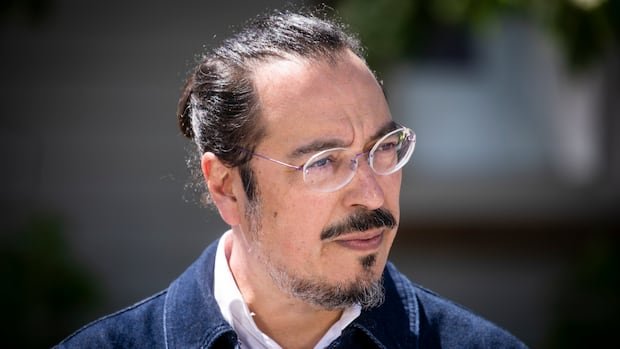

The British Columbia government has released updated guidelines for physicians regarding the treatment of young individuals facing mental health and substance use issues. The guidance emphasizes the appropriate use of involuntary care in situations where minors are unable or unwilling to seek help for themselves. Dr. Daniel Vigo, the province’s chief adviser for psychiatry, toxic drugs, and concurrent disorders, introduced this guidance earlier this year, aligning with the updated protocol for adults with severe mental health and substance use disorders.
During a recent press conference, Dr. Vigo, alongside Premier David Eby and other officials, highlighted the importance of involving parents in decision-making processes related to involuntary care for minors. Dr. Vigo stressed that involuntary care should only be considered when a child’s life or well-being is in serious jeopardy, emphasizing the need for parental involvement in determining the best course of action.
Previously, there was ambiguity regarding the application of the Mental Health Act concerning the admission of minors against their will at the request of parents. Dr. Vigo clarified that, based on medical necessity, physicians can now proceed with involuntary care for minors facing life-threatening situations, such as opioid dependence leading to potential harm or death.
Although overall toxic drug-related deaths have decreased in British Columbia this year, recent data from the B.C. Coroners Service revealed a concerning increase in illicit drug-related fatalities among youth under 19. The tragic death toll highlights the urgency of addressing mental health and substance use challenges in young individuals to prevent further loss of life.
At a poignant event, parents Brock Eurchuk and Dr. Rachel Staples shared their heartbreaking experience of losing their son Elliot Eurchuk to an opioid overdose in 2018. Their advocacy for improved detection, treatment, and support services for youth struggling with mental health and substance misuse echoes the need for comprehensive care strategies to prevent similar tragedies in the future.
Despite past debates on expanding involuntary care for youth drug users, recent concerns over potential risks post-treatment have led to a reevaluation of such approaches. Advocates emphasize the importance of prioritizing voluntary treatment options, counseling, and ongoing support services over reliance on involuntary care, citing potential long-term consequences of coercive interventions on young individuals’ well-being.
In conclusion, the ongoing dialogue surrounding involuntary care for youth underscores the complex challenges in addressing mental health and substance use issues effectively. Balancing the need for urgent intervention with ethical considerations and long-term support remains a critical focus for policymakers, healthcare professionals, and advocacy groups working to safeguard the well-being of vulnerable youth in British Columbia.