


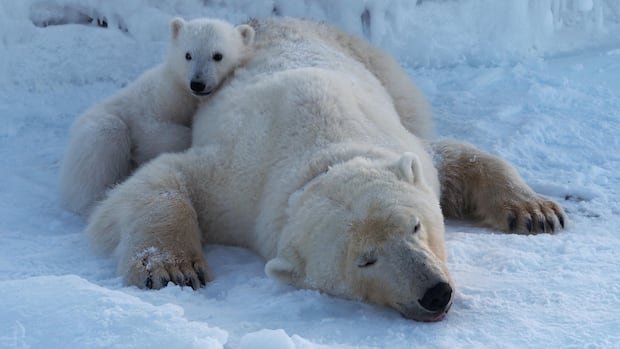

In the Arctic, a polar bear has become a symbol of the impact of a warming world on wildlife by swimming in ice-free waters. However, research published in Scientific Reports reveals that the Barents Sea polar bear subpopulation, located north of Norway, is faring well despite decades of melting sea ice.
Experts have found that these bears are adapting to the changing environment and are still able to find the necessary food to sustain themselves. This resilience showcases the diversity within animal populations and highlights that some species may benefit from climate change.
The study, which involved live captures of 770 bears in the Svalbard archipelago between 1995 and 2019, demonstrated that the bears in this region have not experienced the expected decline in body condition despite the diminishing sea ice. The availability of alternative prey, such as walruses, bird eggs, and whale carcasses, has contributed to their ability to thrive in ice-free conditions.
While experts remain cautiously optimistic about the Barents Sea polar bears, they emphasize that the situation may not be the same for other polar bear populations. Climate change continues to pose a significant threat to polar bears globally, with populations in regions like western Hudson Bay and the Beaufort Sea facing declining body condition, survival rates, and reproduction rates due to loss of sea ice.
Although the Barents Sea bears are currently faring well, the long-term future of polar bears remains uncertain as the effects of climate change intensify. Researchers acknowledge that the survival of these bears until the end of the century is uncertain but emphasize the need for continued monitoring and conservation efforts to protect this iconic species.