



Amid the ongoing conflict in Iran affecting oil and gas exports from the Gulf region, Canada’s energy sector is poised for increased demand. Energy prices have surged following a joint U.S. and Israel attack on Iran, prompting disruptions in the crucial oil passageway, The Strait of Hormuz. As a result, several Gulf energy operations have ceased, creating uncertainty about the conflict’s duration.
Canada’s oil and gas industry, insulated from Middle East transit routes, boasts stringent environmental regulations compared to non-democratic producers like Qatar and Russia. Additionally, being closer to Europe than major energy players such as the U.S. and Venezuela, Canada is positioned as a stable and reliable energy source during this volatile period.
While global demand for Canadian energy products is expected to rise, challenges exist in meeting this surge due to limited market access. Although Canada can contribute to filling the supply gap to some extent, it lacks the capability to offset the significant losses caused by the war in Iran.
Experts highlight the potential for Canada to attract new customers beyond its traditional U.S. market, with European and Asian buyers seeking diversification in their energy sources. However, infrastructure constraints could hinder Canada’s ability to capitalize on this opportunity.
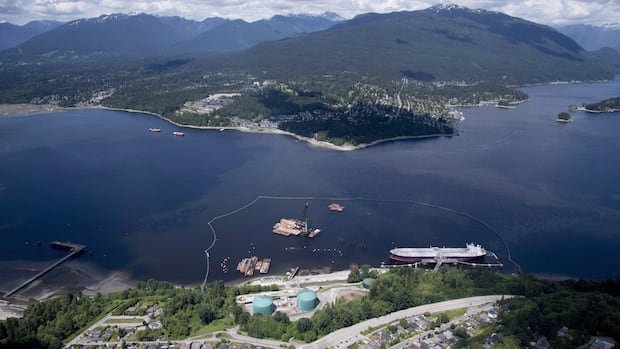
Efforts to expand Canada’s energy export capabilities are underway, including projects like the Trans Mountain Expansion and a newly operational LNG plant in Kitimat, B.C. Nevertheless, these initiatives may take years to reach fruition, and alone may not suffice to replace the substantial void left by the conflict in Iran.
There are concerns that Russia could exploit the global energy supply gap resulting from the Iran conflict. While Europe has shunned Russian energy in the past, declining LNG production in Norway could create an opening for Russia to reemerge as a key energy supplier. This underscores the importance for Canada to enhance its energy infrastructure to provide alternative options for energy-importing nations.
As countries navigate the escalating energy crisis, the focus remains on maintaining oil and LNG flows to prevent price spikes. While uncertainties persist, efforts to ensure uninterrupted energy supply are crucial to avoid destabilizing global markets.