


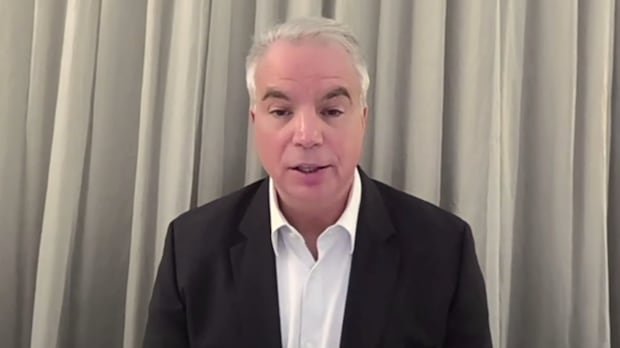

Dayan Goodenowe, the individual responsible for the health center in Moose Jaw, which boasts a “100% success rate in halting the progression and restoring function in ALS patients,” has expressed his belief that a recent CBC article about his establishment portrays him as a direct threat to the ALS drug industry. Goodenowe conveyed this sentiment in an email to his supporters on December 5 following a CBC investigation into the Dr. Goodenowe Restorative Health Centre.
The investigation centered on Susie Silvestri, a 70-year-old American who sold her home to afford Goodenowe’s $84,000 US “biochemical engineering” program in hopes of a cure for her ALS. Tragically, Silvestri passed away fewer than four months after arriving at the Moose Jaw facility due to the late-stage progression of ALS, a condition characterized by gradual muscle degeneration. Issues arose during her stay, such as difficulties in obtaining medical procedures at the local hospital due to insurance constraints, leading to her eventual passing in a Montana hospital.
Following Silvestri’s story, Saskatchewan politicians initiated investigations into the health center. The Health Minister requested an inquiry into the accuracy of the services offered, the College of Physicians and Surgeons was urged to probe unauthorized medical practices, and the Opposition NDP sought criminal investigations into the center.
In response, Goodenowe criticized the NDP for “grandstanding” and shared a link to a 30-minute video addressing the CBC’s coverage. He emphasized the positive aspects of his health center, advocating for public support and political action against the allegations.
Allegations of a coordinated attack orchestrated by the ALS drug industry and association were raised by Goodenowe, hinting at ulterior motives behind the scrutiny faced by his center. Meanwhile, the ALS Society of Saskatchewan emphasized their advocacy for approved treatments and clinical trial access, countering Goodenowe’s claims.
Regarding Silvestri’s medical progress, conflicting accounts emerged. While Goodenowe asserted improvements based on staff observations and medical documentation, a former employee disputed these claims, suggesting a decline in health during Silvestri’s time at the center. Additionally, hospital records indicated medical interventions and challenges faced by Silvestri during her stay in both Canada and the U.S.
The narrative surrounding Silvestri’s journey underscores the complexities and controversies surrounding alternative medical treatments, patient care, and the pursuit of hope amidst terminal illnesses.