


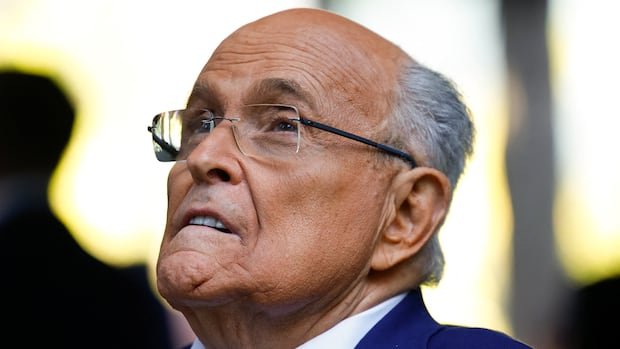

U.S. President Donald Trump has granted pardons to Rudy Giuliani, his former personal attorney, Mark Meadows, his former chief of staff, and several others implicated in supporting Trump’s attempts to challenge the results of the 2020 election, as confirmed by a Justice Department official. The pardon attorney, Ed Martin, shared a proclamation on social media indicating a “full, complete, and unconditional” pardon for the individuals on the list, which includes numerous political allies of Trump, such as Sidney Powell and John Eastman, both conservative lawyers. Martin expressed a sentiment of inclusivity by stating, “No MAGA left behind,” before unveiling the signed document.
Among those pardoned are Sidney Powell, known for promoting unfounded election conspiracy theories, John Eastman, who advocated for a plan to maintain Trump’s presidency, and Jeffrey Clark, a former Justice Department official who supported Trump’s efforts to contest his election defeat. The list also includes Republicans who acted as illegitimate electors for Trump, facing state charges for submitting false certificates despite Biden’s victory in those states. Notably, the pardon explicitly excludes Trump himself.
These pardons solely pertain to federal offenses, with none of the pardoned individuals facing federal charges related to the 2020 election. However, the pardons underscore Trump’s persistent endeavors to reshape the narrative surrounding the election he lost to Joe Biden. This action follows the broad pardons granted to hundreds of Trump supporters involved in the January 6, 2021, Capitol riot, including those convicted of assaulting law enforcement officers.
The pardon deems the prosecution of Trump allies as a “serious national injustice against the American people,” aiming to advance the process of national reconciliation. Giuliani and others maintain their innocence, contending that they were merely contesting an election they believed was marred by fraud. White House press secretary Karoline Leavitt defended the pardons, asserting that these individuals faced unwarranted persecution from the Biden administration for challenging the election, a fundamental aspect of democracy.
Although the Biden administration did not prosecute the pardoned individuals, they faced charges from state prosecutors independent of the Justice Department in Georgia, Arizona, Michigan, Nevada, and Wisconsin regarding the 2020 election. The cases have encountered obstacles or have been dismissed, as seen in the Michigan lawsuit against 15 Republicans charged with attempting to falsely certify Trump’s victory in the state.
Giuliani, a vocal proponent of Trump’s unproven allegations of widespread voter fraud following the election, has faced consequences for his actions. He has been disbarred in Washington, D.C., and New York due to his propagation of baseless election claims and lost a substantial defamation lawsuit.