


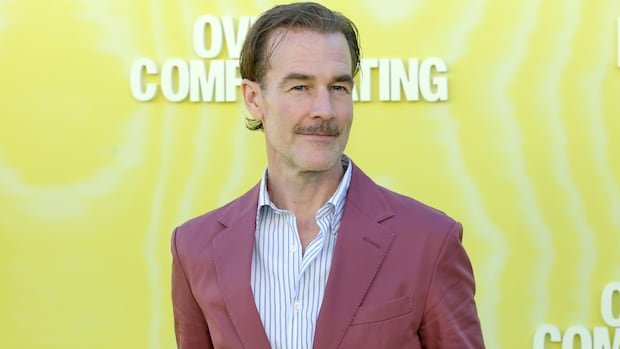

When actor James Van Der Beek from “Dawson’s Creek” passed away from colorectal cancer at 48, it sparked a significant wave of sorrow and support. Alongside this, attention was drawn to a GoFundMe campaign established for Van Der Beek’s family, which rapidly amassed over $2.7 million US. The purpose was to assist his wife and six children with essential expenses, bills, education costs, and maintaining their lifestyle to prevent potential financial struggles.
The response from the public and media was prompt. Culture critic Pablo The Don noted the questioning around the sudden need for financial aid, particularly for individuals well-known in the entertainment industry. This trend is not unique to Van Der Beek, as there has been a shift in celebrities and their close circles turning to crowdfunding platforms to gather support for personal matters, diverging from traditional charitable causes.
Following the passing of “Grey’s Anatomy” star Eric Dane, who disclosed an ALS diagnosis before his death, a GoFundMe page was initially removed and later reinstated to provide for his daughters and their future requirements, raising over $400,000 US. Various fundraising campaigns were initiated for Erika Kirk, widow of the late right-wing commentator Charlie Kirk, generating substantial sums without clear origins. Additionally, actress Mandy Moore faced backlash after seeking donations to aid her brother-in-law and his spouse following their home loss in the L.A. wildfires.
The surge in celebrity-led crowdfunding initiatives has stirred controversy in recent years, with personalities like Alyssa Milano, Brittany Mahomes, Megan Fox, and Kylie Jenner receiving criticism for soliciting contributions for personal causes. The disparities in wealth and access to resources among celebrities and ordinary individuals have fueled debates on the ethics and necessity of such campaigns.
As crowdfunding becomes more normalized, public figures leveraging their fame for financial assistance have faced heightened scrutiny and backlash. While these campaigns often attract significant attention and donations, they raise concerns about fairness and the perpetuation of inequality in accessing support systems. Moreover, the shift towards personal aid through crowdfunding neglects the potential for celebrities to advocate for broader societal issues and systemic challenges.
Medical fundraisers, in particular, underscore the financial vulnerabilities even affluent individuals face due to healthcare costs. The decision to seek public assistance can be daunting for celebrities, exposing them to intrusive scrutiny and judgments on their financial status. Despite misconceptions about actors’ wealth, many are not financially privileged, and their reliance on crowdfunding reflects personal hardships rather than extravagant lifestyles.
Critics argue that the focus should be on addressing systemic inequities rather than individual fundraising efforts. However, for grieving families and loved ones, the primary concern is often immediate financial support and emotional healing. While debates on celebrity crowdfunding persist, it is essential to consider the impact of public discourse on bereaved individuals and their right to seek assistance during challenging times.