



Due to the increasing threat of aquatic invasive species (AIS) in mountain national parks in Alberta, various lakes and rivers are being closed to watercraft, leading paddlers to advocate for a more collaborative approach in addressing the issue.
Starting this spring, lakes and rivers within Jasper National Park, along with Banff, Yoho, Kootenay, and Waterton Lakes, will be divided into three zones, each with distinct regulations for water activities. While popular water bodies remain accessible to paddlers, the restrictions primarily impact the backcountry.
Andrew Loughlin, a seasoned whitewater enthusiast in Jasper for over two decades, expressed disappointment over the new restrictions in a letter to Parks Canada. He highlighted that many of the park’s unique locations are only reachable by boat, emphasizing that a significant portion of navigable waterways in Jasper are now restricted.
The recent confirmation of whirling disease in Lake Louise further influenced these decisions. This disease, also found in Banff and Yoho, causes deformities in young fish species like salmon, whitefish, and trout, resulting in significant mortality rates among juvenile fish populations.
Parks Canada stressed the importance of immediate action to prevent the disease from spreading further, highlighting the challenges of removing invasive species once introduced. The agency emphasized that AIS are commonly spread through watercraft and fishing gear moved between different water bodies.
While certain waterways like the main stem of the Athabasca River remain open for recreation, more challenging backcountry routes with Class 4 and Class 5 rapids are predominantly closed to watercraft, fishing waders, and windsports. Natural barriers like waterfalls downstream of some rivers help prevent the upstream spread of AIS.
Parks Canada permits specific activities within designated zones, such as scuba diving by licensed operators and fishing with waders in certain areas. The agency encourages visitors to refer to their website for a comprehensive list of open and closed areas, and emphasizes the importance of cleaning, draining, and drying watercraft and equipment to prevent AIS spread.
Despite concerns raised by paddlers like Loughlin regarding the lack of detailed closure information, Parks Canada defended its decisions as vital for protecting aquatic ecosystems while supporting safe recreation opportunities. Paddlers and water recreation enthusiasts are urged to comply with the new restrictions and engage in discussions with Parks Canada to contribute to future strategies for AIS prevention.
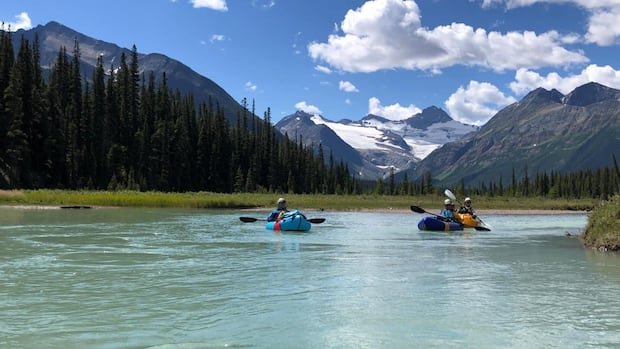
The restrictions are expected to impact sports like packrafting significantly, as these lightweight inflatable boats enable users to access remote areas for paddling adventures. Advocates for these sports stress the importance of biosecurity measures and aim to participate in ongoing dialogues with Parks Canada to shape future policies effectively.