


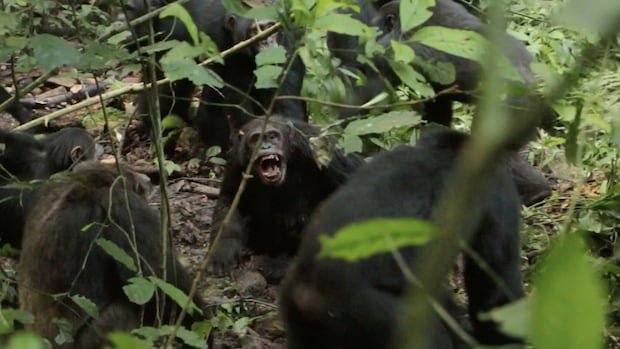

In Uganda, a group of around 200 chimpanzees in Ngogo, part of Kibale National Park, experienced a drastic shift from tranquility to violence. The conflict started in 2015 between the western and central neighborhoods within the group. Researchers, including primatologist Aaron Sandel, observed a series of events leading to the split and subsequent violent encounters.
The chimps in Ngogo had been known for their cooperative and successful defense of territory. However, tensions arose between the two neighborhoods, resulting in a prolonged conflict. The western group, in particular, engaged in aggressive behavior, leading to the deaths of numerous chimps from the central group, including infants.
Iulia Bădescu, an associate professor specializing in anthropology, noted that while chimpanzees are typically xenophobic towards outsiders, the unique aspect of this conflict was the intimate relationships within the group. Close kinship ties were shattered as chimps turned from allies to enemies, displaying lethal behavior towards each other.
Researchers speculate on the factors that may have triggered the aggression, including increased competition for resources and changes in the group dynamics. The sudden deaths of key individuals and shifts in dominance hierarchy likely contributed to the escalation of violence. The study raises questions about the complex dynamics of chimp societies and the parallels that can be drawn to human conflicts.
While the reasons behind the chimp conflict remain unclear, researchers emphasize the importance of understanding and reconciling interpersonal relationships to prevent further violence. Despite the grim observations, there is optimism that humans, unlike chimps, possess a pro-social nature that enables peaceful coexistence with others. The ongoing violence among the Ngogo chimps serves as a sobering reminder of the complexities of social dynamics in primate communities.