


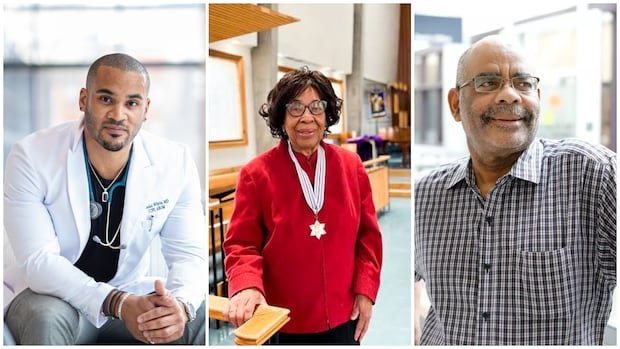

In Canada, emergency rooms are facing challenges due to staff shortages and long wait times, sparking discussions on trust, access, and equity. Black physicians have long been addressing these issues, recognizing the broader impacts on health beyond just biology. Their historical contributions to Canadian healthcare, often overlooked, are now gaining attention as discussions on equity and representation evolve.
Dr. Alfred Schmitz Shadd, a pioneer in medicine, agriculture, politics, and public advocacy, exemplifies the early leadership of Black physicians in Canada. Born in 1870, he provided holistic, public-health-focused care in underserved communities in Saskatchewan. Despite narrowly missing political victory in 1905, his influence on local governance and community health was profound.
Dr. June Marion James, the first Black woman to join the University of Manitoba’s faculty of medicine, made significant strides in pediatrics and allergy specialties. Her leadership extended to regulatory roles, breaking barriers for racialized physicians. Dr. James’ involvement in community organizations and recognition for her contributions highlight her impactful career.
Dr. Nikolai Whyte, a family physician and co-founder of the Black Healthcare Professionals Network, emphasizes the importance of representation in healthcare. Research shows that Black patients often experience better outcomes when cared for by Black providers, emphasizing the significance of cultural competency in healthcare delivery.
Dr. David Este, a retired professor, has dedicated his career to studying the health impacts of racism. His research highlights the physical and emotional toll of anti-Black racism on individuals’ health. While progress has been made in representation and awareness, gaps persist in addressing systemic disparities and implementing long-term solutions.
Despite advancements, challenges remain in achieving comprehensive national race-based health data in Canada. Addressing these gaps requires sustained commitment to translating research into tangible reforms that benefit Black communities. The legacy of Black physicians in shaping Canadian healthcare underscores the importance of community, equity, and justice in achieving a more inclusive and effective healthcare system.
For further information, please visit the source.