


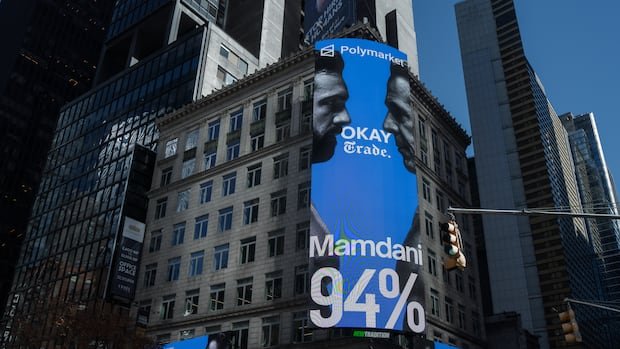

An inquiry into potential tampering with temperature sensors at Paris airport to influence online betting outcomes is shedding light on the rise of climate-related wagers. Several accounts on Polymarket, an online betting platform, scored significant winnings when temperature readings surged by 5 degrees Celsius within a single day earlier this month.
This incident has sparked discussions on the ethical implications of platforms like Polymarket and Kalshi, where users can gamble on climate-related events such as the intensity of hurricanes or the likelihood of 2026 being the warmest year on record. Experts argue that weather betting could have a positive impact on climate science and even sway some climate change skeptics.
Moran Cerf, a neuroscience and business professor at Columbia University, conducted a study on the effects of participating in prediction markets on individuals’ perceptions of climate change. Participants in the study placed bets on various climate events, such as California wildfires, and their attitudes were assessed before and after. The research revealed that engagement in these markets heightened awareness and concern regarding climate change, potentially even swaying previously skeptical individuals.
Despite the increasing frequency of climate-related disasters, skepticism towards climate change persists. A poll conducted by the Angus Reid Institute in January 2025 found that nearly a quarter of Canadians do not believe humans are the primary cause of climate change, while nine percent doubt the existence of climate change altogether.
Climate change poses challenges as it involves scenarios that the human brain struggles to comprehend, such as rising sea levels and disruptions in food systems. Prediction markets offer a solution by providing immediate feedback through real-time probability adjustments and short-term payouts, thus bridging the gap between distant climate impacts and individual awareness.
In the realm of speculative betting, $239 million USD was traded in climate-related markets on Kalshi last year. These markets operate differently from traditional gambling establishments, as users trade shares in “Yes” or “No” outcomes of specific questions rather than betting against a house. Shares are valued between $0 and $1 based on demand, with payouts dependent on the question’s outcome.
Mark Roulston, a climate scientist at the University of Lancaster, is spearheading an academic initiative that involves research teams in prediction markets without requiring them to gamble their own funds. By aggregating expert predictions on climate events, these markets aim to enhance forecasting accuracy, assist insurance companies in risk assessment, and facilitate research funding for scientists.
In Canada, short-term binary options are technically prohibited, but Wealthsimple recently obtained approval to operate specific prediction markets focusing on economic indicators, financial markets, and climate trends. Despite concerns about the impact of short-term bets on climate change awareness, the potential benefits of prediction markets in enhancing climate science and public engagement are being explored.
Cerf warns that the incentives of these platforms may prioritize encouraging participation over promoting learning, and incidents of data manipulation, like the suspected tampering in Paris, further undermine the credibility of climate-related betting platforms.