


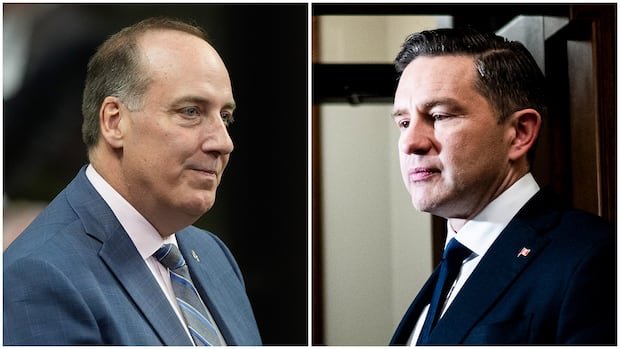

Nova Scotia Member of Parliament Chris d’Entremont announced his departure from the Conservative caucus, citing a lack of alignment with leader Pierre Poilievre’s approach and a preference for a more positive political environment. D’Entremont expressed that he and some fellow MPs might consider joining the Liberals due to these concerns. He highlighted the importance of effective leadership and doing what is best for Canada.
D’Entremont emphasized the need to address challenges facing Canada constructively and participate in finding solutions as part of the government caucus. He emphasized the importance of working together and striving to improve the country rather than fostering negativity. D’Entremont, known as a Red Tory, also mentioned being influenced by Prime Minister Mark Carney’s budget priorities, which include support for infrastructure, the fishery, farming, and the military, crucial sectors in his constituency.
While some Conservative members criticized D’Entremont’s move, citing personal disagreements, he clarified that his decision was based on leadership qualities and national interests. Carney commended d’Entremont’s decision to switch parties, emphasizing the need for unity in addressing economic challenges, particularly in the face of external pressures like U.S. tariffs. Carney indicated openness to discussions with other MPs considering a similar move toward the Liberals.
During his first Liberal caucus meeting, d’Entremont received a warm welcome and support from party members, bringing the Liberals closer to a House of Commons majority. Despite this, there remains uncertainty about the budget vote and the possibility of a Christmas election. Liberal officials mentioned that they had been engaging with d’Entremont for several years before his decision to switch parties.
In conclusion, d’Entremont’s transition to the Liberal Party reflects a broader political landscape where MPs weigh leadership styles, national interests, and party dynamics in making strategic decisions. The move has sparked reactions from both Conservative peers and Liberal allies, underscoring the ongoing political dynamics and potential shifts within the Canadian political landscape.