


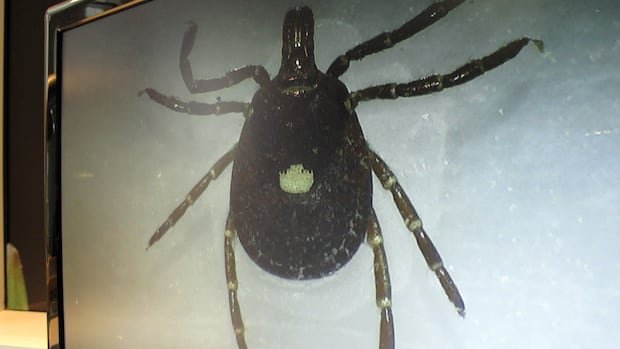

A slow and steady spread of ticks carrying harmful pathogens from the United States is posing a growing threat to Canadians, as per experts. The Government of Canada reports over 40 tick species present in the country, with the blacklegged tick being the most recognized for transmitting Lyme disease. Nicoletta Faraone, overseeing the new Canadian Tick Research and Innovation Centre at Acadia University in Nova Scotia, emphasizes the need to comprehend and combat tick-borne diseases.
The migration of tick species, including the lone star tick, into Canada from the northern U.S. at an average rate of 50 kilometers annually is causing concern. The lone star tick, identified for causing meat allergies, has not yet established itself in Nova Scotia. The Asian long-horned tick is also a potential threat due to its ability to induce anemia in livestock.
Researchers at the Acadia facility are studying ticks, including the lone star tick, by feeding them blood through a synthetic skin setup to understand their behavior and pathogens. Efforts are aimed at developing effective repellents and treatments for diseases like Powassan virus carried by ticks. Simple precautions such as wearing protective clothing and conducting regular tick checks are recommended to reduce risks.
Farmers like Tim Marsh in Nova Scotia are taking proactive measures to safeguard their livestock against tick-related diseases, signaling a shift in agricultural practices. While existing tick repellents are available, further research is necessary to address rare tick-borne diseases like Powassan virus. Vigilance and preventive actions are crucial in mitigating the risks associated with ticks.