


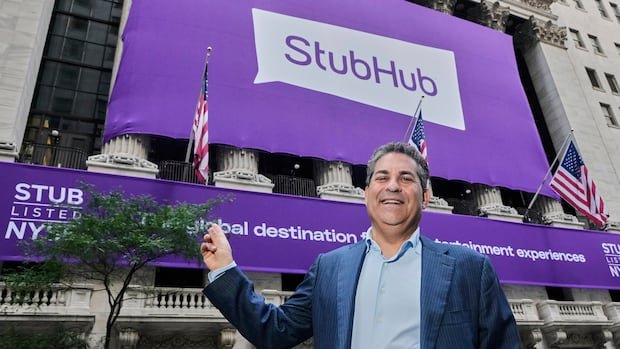

StubHub and its CEO, Eric Baker, are facing a proposed $5 million class-action lawsuit in the U.S. due to their association with large-scale scalpers, a connection revealed by CBC News recently. Filed by Louis Sanquini, a New York ticket buyer, the lawsuit alleges deceptive practices and misrepresentation by StubHub, which markets itself as a platform for fans to buy and sell tickets.
The online ticket resale company has come under fire for canceling numerous World Cup tickets, leading to a wave of customer complaints. Despite claiming to be solely a technology platform without involvement in ticket transactions, recent filings with the U.S. Securities and Exchange Commission disclosed that Baker manages Andro Capital, a hedge fund that resells sports and concert tickets worth millions on the StubHub platform.
Sanquini initiated the class action in the Southern District of New York, asserting that consumers were misled and believed StubHub was a neutral marketplace. According to lead counsel Kevin Steinberg, transparency and honesty are paramount for consumers. The lawsuit emphasizes that StubHub’s failure to disclose its conflict of interest while promoting itself as a fan-to-fan marketplace deceived customers into accepting prices and terms they wouldn’t have agreed to if they had known the truth.
Sanquini argues that had he been aware of StubHub CEO’s financial ties and the company’s support for professional resellers, he wouldn’t have used the platform to purchase tickets for events like a Kiss concert in 2023 or a New York Red Bulls-New York City FC soccer match in 2024. In response to inquiries, a StubHub spokesperson declined to comment on the legal matter.
It’s important to note that the claims made in the lawsuit have not been tested in court. The World Cup ticket cancellations by StubHub have drawn significant attention, with customers expressing disappointment over being denied entry to matches despite the company’s FanProtect Guarantee. This situation has led to complaints to regulatory authorities and formal investigations by entities such as Consumer Protection B.C. and the Texas Attorney General’s office.