


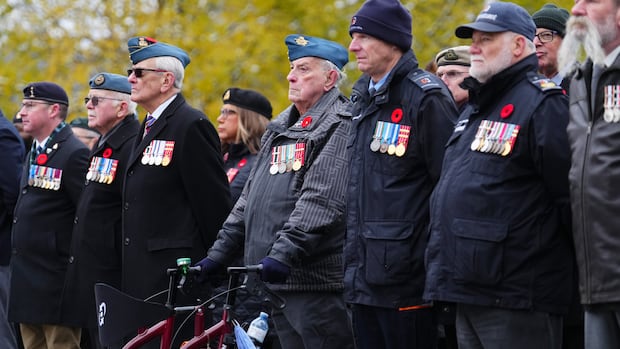

If the new federal budget is approved, it will alter the calculation of disability benefits, raising concerns among military veterans about a potentially less favorable system in the future.
Presented by Finance Minister François-Philippe Champagne on November 4, the fiscal proposal suggests a revision of the indexing formula to rely exclusively on the consumer price index (CPI), which measures the cost of living.
This modification is set to take effect on January 1, 2027.
To date, the annual increase in benefits has been determined based on either the CPI or the average of a range of public service salaries, whichever is higher. This distinction, which veterans fought for in the 1980s, has been crucial and generous within the system.
Prime Minister Mark Carney’s Liberal administration will need to revise legislation to revert the system to its state over 40 years ago.
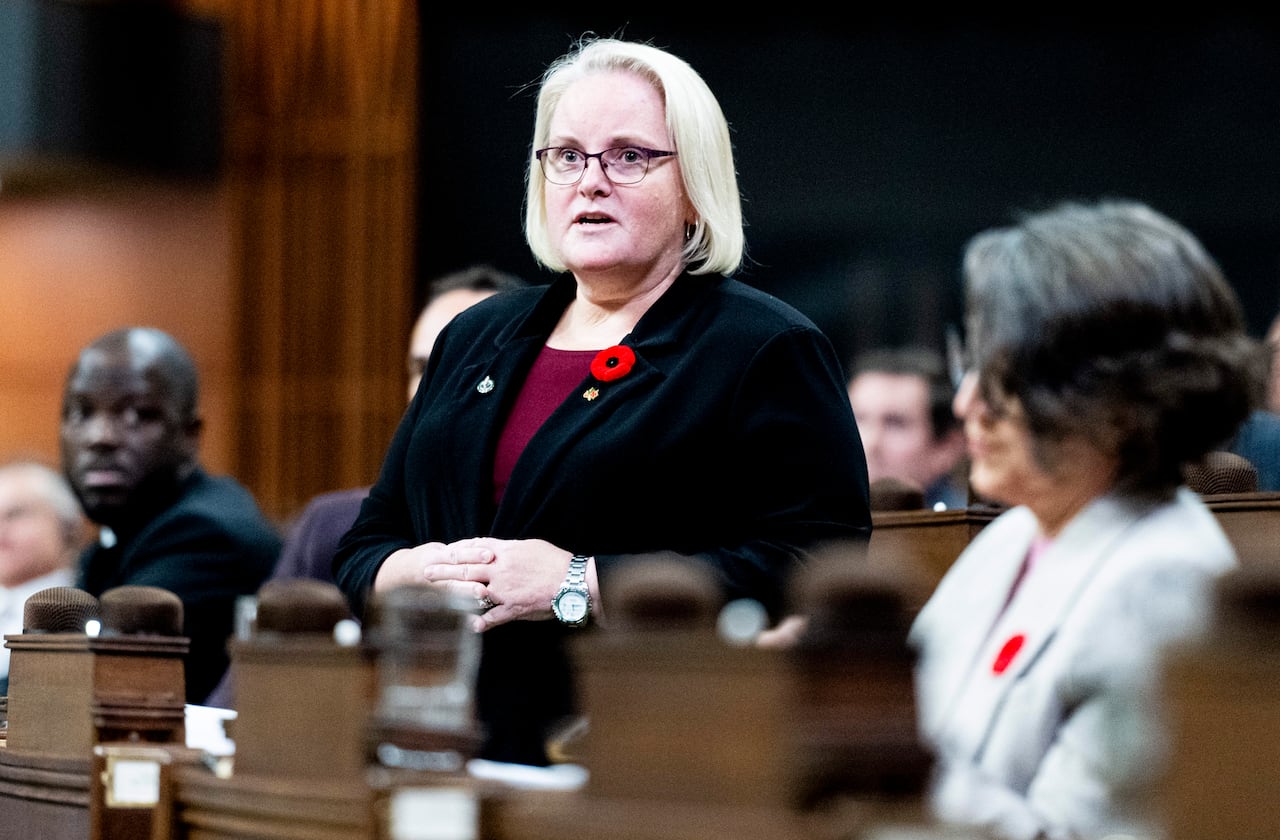
During question period in the House of Commons on Parliament Hill, Minister of Veterans Affairs Jill McKnight speaks in Ottawa on October 31. (Spencer Colby/The Canadian Press)
On Tuesday, after the annual Remembrance Day ceremony in Ottawa, Veterans Affairs Minister Jill McKnight acknowledged that changes are forthcoming.
“We’re making adjustments to align it with various other services and benefits provided, ensuring consistency across the government,” McKnight stated in an interview with CBC News.
She stressed that the government will not be withdrawing or eliminating any benefits, but is instead reconfiguring the system to maintain “consistency.”
When pressed about whether this means veterans might receive less than they would under the current either/or system for benefit increases, McKnight acknowledged the uncertainty.
“Every veteran has unique experiences, service duration, and release circumstances, so it will vary based on individual situations,” McKnight explained, also highlighting the budget’s allocation of over $180 million to enhance the benefits delivery system.

Some veterans are concerned that changes in the federal budget regarding the calculation of their disability pensions could lead to reduced future income, while Veterans Affairs Minister Jill McKnight has not definitively stated whether eligible veterans will receive less.
‘A widespread impact on veterans’
Veteran advocates, however, express more skepticism regarding this situation.
According to Sean Bruyea, a former captain and intelligence officer in the Canadian Forces, the long-term implications of this change will significantly affect the compensation veterans with disabilities receive for their service to Canada.
Since January 2005, Bruyea noted, the CPI has risen approximately 52 percent, while disability pensions for veterans have increased by 70 percent in relation to federal public service salaries.
He indicated that the potential financial impact for individuals could reach thousands of dollars over time.
“This calculation influences the entire spectrum of disability benefits available to veterans,” Bruyea stated. “Thus, it will have a significant effect on veterans overall.”
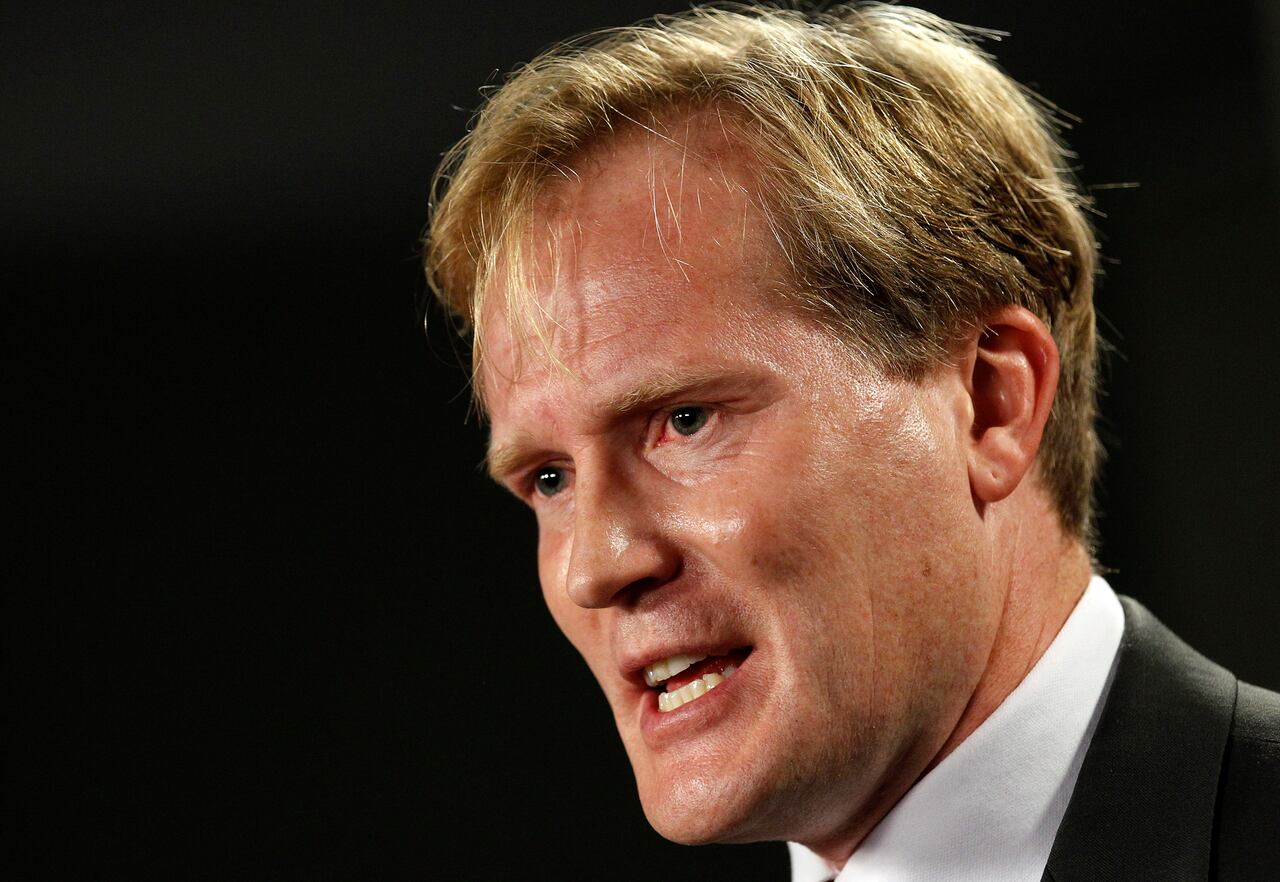
Sean Bruyea, a retired captain from the Canadian Forces, advocates for the rights of disabled veterans and asserts that budget changes will greatly influence their compensation. (Chris Wattie/Reuters)
Bruce Moncur, a former corporal who sustained injuries in Afghanistan in 2006, expressed concern that the federal government seems ready to begin diminishing veterans’ benefits once more.
He referenced the New Veterans Charter (NVC), which introduced nearly two decades ago, implemented a complex benefit recalculation system that resulted in some injured servicemen receiving lower disability payments compared to those injured prior to the charter’s introduction.
The NVC became a contentious issue for Prime Minister Stephen Harper’s administration, which had to implement several costly revisions. The resentment among veterans contributed to a notable shift in their voting patterns from the Conservatives to the Liberals in 2015.
“Having had my benefits diminished once, I would prefer not to experience it again,” Moncur said, referring to the political struggles surrounding the NVC.
“It felt like I was contending with a bureaucratic insurance company. I would assert, without exaggeration, that much of my PTSD was not from serving my country, but from battling my own country.”
Moncur added that while the federal government is investing billions in new military equipment and millions to recruit new members, more than just signing bonuses and new gear will be needed to persuade individuals to enlist and don a military uniform.