


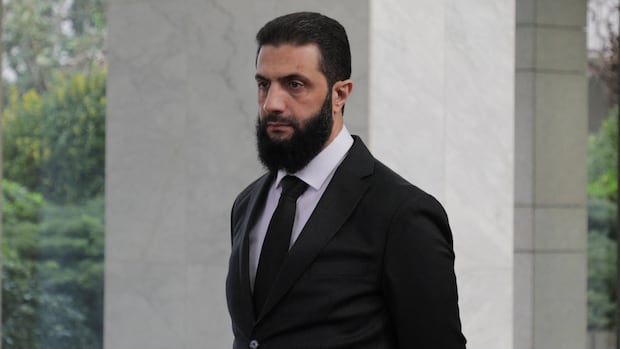

On Sunday, Syrian leader Ahmed al-Sharaa took urgent steps to address some of the most severe violence the country has experienced in 13 years of civil conflict, which has pitted supporters of ousted president Bashar al-Assad against the new Islamist authorities.
The fighting, which a war monitoring organization reports has already resulted in 1,000 fatalities, primarily among civilians, persisted for a fourth consecutive day in Assad’s coastal stronghold.
The chief commander of a Kurdish armed group in Syria, who is engaged in a different conflict with Turkey, attributed some of the most alarming acts of violence, including the reported executions of civilians from Assad’s Alawite sect, to factions backed by Turkey. There was no immediate response from Turkey regarding this claim.
Al-Sharaa’s office announced the establishment of an independent committee to investigate the violence and fatalities attributed to both factions. Syrians have shared graphic footage of executions carried out by fighters, which Reuters has yet to authenticate.
A Syrian security source indicated that the intensity of the fighting had decreased around the cities of Latakia, Jabla, and Baniyas, while troops searched the adjacent mountainous regions where approximately 5,000 pro-Assad insurgents were believed to be hiding.
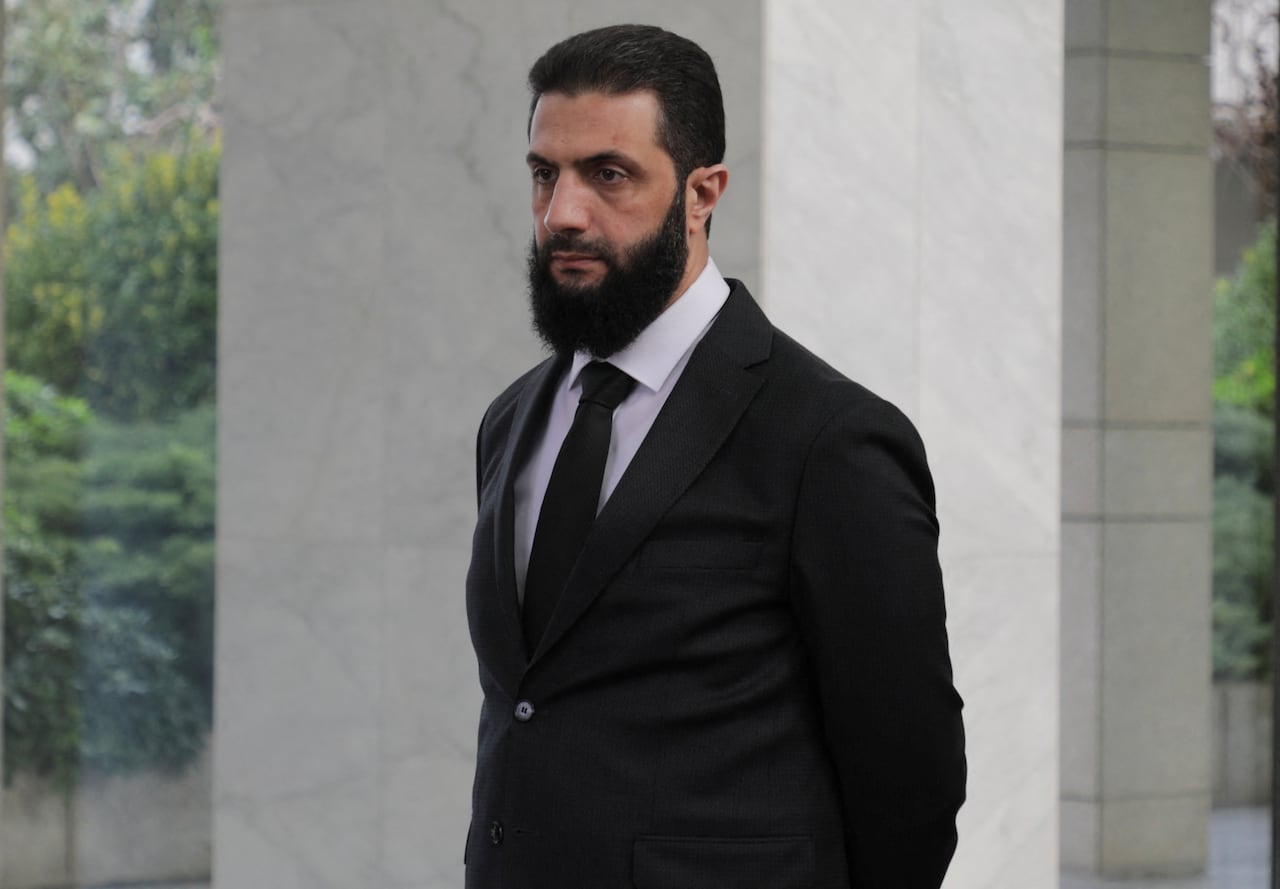
Syria’s de facto leader Ahmed al-Sharaa, seen in Damascus on Dec. 30, is calling for an end to the recent bout of sectarian violence that has already killed more than 1,000 people. (Khalil Ashawi/Reuters)
‘We must maintain national unity’
Al-Sharaa, facing the difficulty of governing a nation filled with factional strife, called on Syrians to avoid allowing sectarian discord to further destabilize the country.
“We must maintain national unity and internal peace; we can coexist,” al-Sharaa stated during remarks at a mosque in his childhood neighborhood of Mazzah, located in Damascus.
“Be assured about Syria; this nation has the qualities for endurance… What is currently transpiring in Syria is part of the expected challenges.”
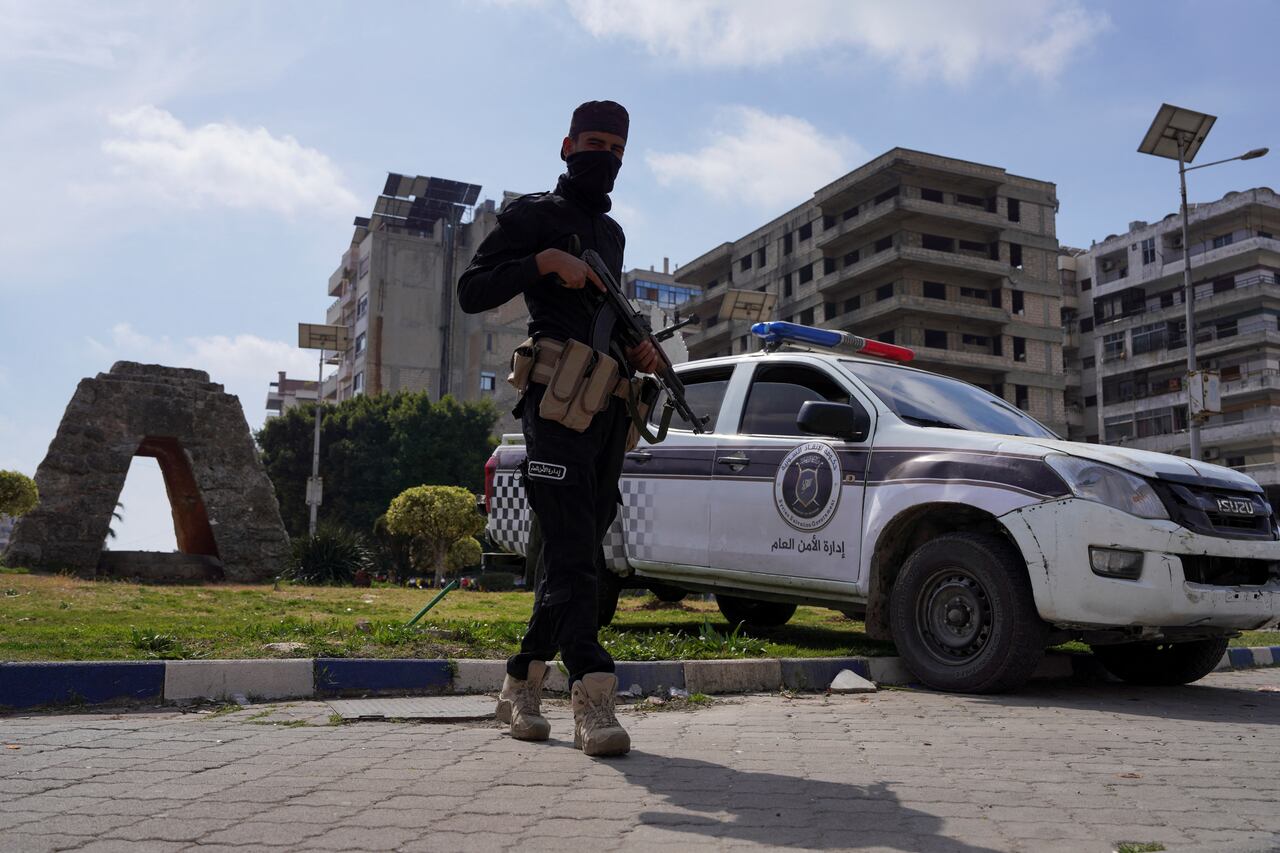
A member of the Syrian security forces secures an area in Latakia, Syria, after hundreds were killed in some of the deadliest violence in 13 years of civil war. (Karam al-Masri/Reuters)
Rebels led by al-Sharaa’s Sunni Islamist Hayat Tahrir al-Sham group overthrew Assad’s administration in December. Assad fled to Russia, leaving behind several of his closest advisers and supporters, while al-Sharaa’s faction spearheaded the formation of an interim government and assumed control of Syria’s military forces.
Assad’s removal marked the end of decades of dynastic rule by his family, characterized by severe oppression and a devastating civil conflict that began as a peaceful protest in 2011.
-
The Assad regime detained these 6 Syrian children with their parents in 2013. Where are they now?
-
It took just 2 weeks for Syria’s 50-year Assad regime to crumble. Here’s how it happened
The conflict — in which Western nations, Arab countries, and Turkey supported the rebels, while Russia, Iran, and militias loyal to Tehran backed Assad — evolved into a battleground for proxy conflicts among a myriad of armed groups with varied loyalties and objectives. The war has resulted in hundreds of thousands of deaths and displaced millions of Syrians.
Post-Assad’s downfall, Turkish-affiliated factions have engaged in skirmishes with Kurdish forces that dominate much of northeastern Syria. Separately, Israel has targeted military installations in Syria and is reportedly urging the U.S. to maintain Syria’s weakened state, according to sources speaking to Reuters.
U.S. denounces violence
Syria’s infrastructure has been severely damaged by the ongoing war, and U.S. sanctions imposed during Assad’s rule continue to complicate efforts to stabilize the country.
The U.S. has called on Syrian authorities to hold the “radical Islamist terrorists” accountable and affirmed its support for the nation’s religious and ethnic minorities. UN human rights chief Volker Turk also urged the interim leadership to ensure accountability for the perpetrators.
After a brief period of calm following Assad’s removal, violence has surged as factions linked to the new Islamist rulers initiated a crackdown on an increasing insurgency from the Alawite community in the regions of Latakia and Tartous.
According to the Syrian Observatory for Human Rights, a war monitoring group based in Britain, more than 1,000 individuals were killed during two days of conflict. This toll included 745 civilians, 125 members of the Syrian security forces, and 148 loyalist fighters.
-
War monitor says 2 days of clashes, revenge killings in Syria have left more than 1,000 dead
-
Syrian gas attack witnesses coerced into false testimony face new threats at home
Rami Abdulrahman, the head of the observatory, noted that among the civilians who died were Alawite women and children.
He mentioned on Sunday that the death toll represented one of the highest since a chemical weapons assault by Assad’s forces in 2013, which claimed approximately 1,400 lives in a suburb of Damascus.
Syrian security sources reported that over 300 of their personnel had been killed in confrontations with former army members loyal to Assad, who coordinated attacks and ambushes on their forces that commenced on Thursday.
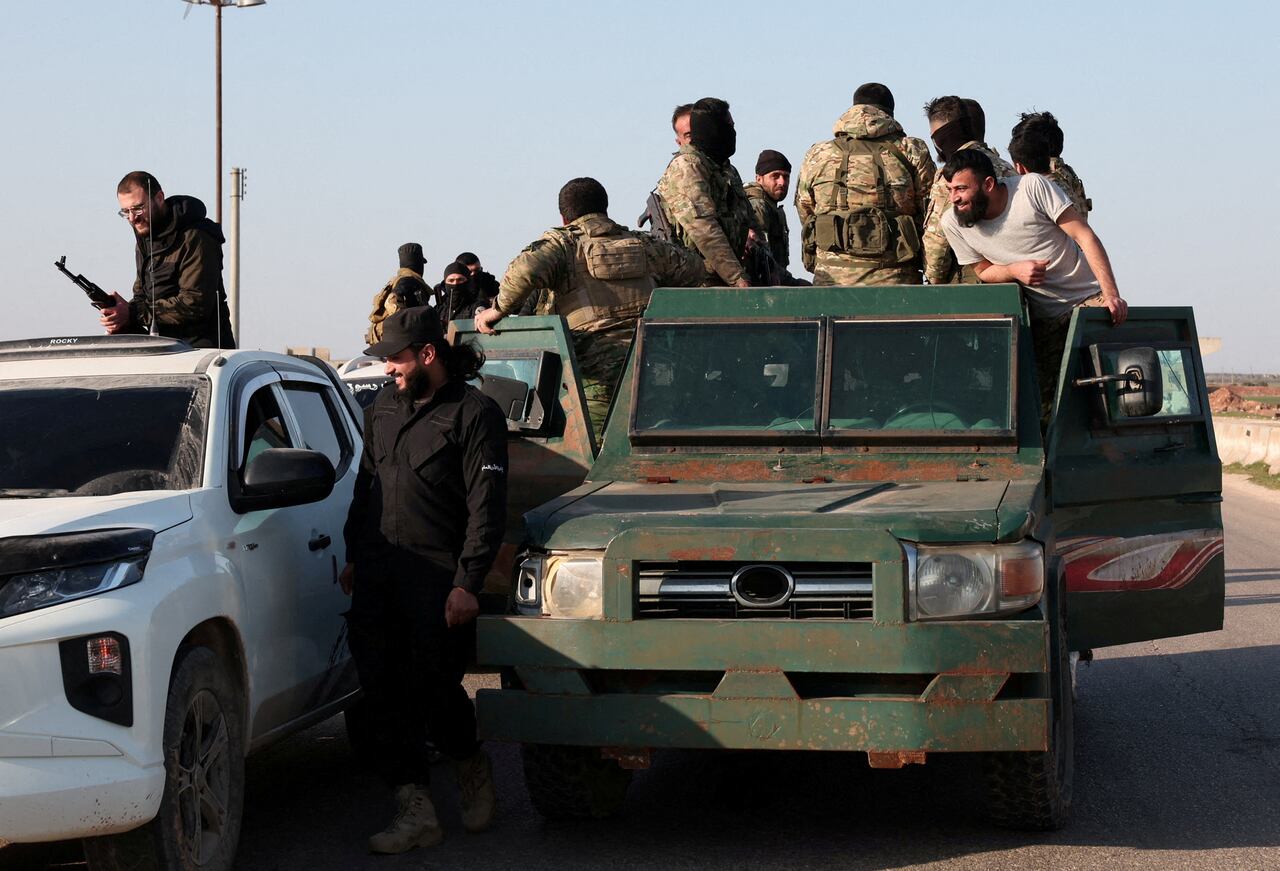
Syrian army personnel in Aleppo, Syria, are seen on Friday heading toward the port city of Latakia to join the fight against fighters linked to ousted leader Bashar al-Assad. (Mahmoud Hassano/Reuters)
Syria’s state news outlet SANA reported on Sunday that a mass grave had been uncovered near Qardaha, Assad’s birthplace, containing the remains of recently slain security personnel.
The violence escalated into retaliatory killings against Alawites as thousands of armed supporters of Syria’s new leadership converged on the coastal regions to bolster the beleaguered forces of the new regime.
The Alawites, who follow a branch of Shia Islam, became associated with Assad’s wartime atrocities against Syria’s predominantly Sunni Muslim population due to their religious affiliation, which made them some of his staunchest backers.
Local resident reports homes set ablaze
Mazloum Abdi, the Kurdish commander, stated in written comments to Reuters that the groups “backed by Turkey and Islamic extremists” were primarily accountable, and urged al-Sharaa to hold them responsible.
The Damascus administration has attributed the summary executions of numerous young people and lethal raids on residences in villages and towns inhabited by the previous ruling minority to unruly armed militias that came to assist the security forces, while long blaming Assad’s supporters for prior offenses.
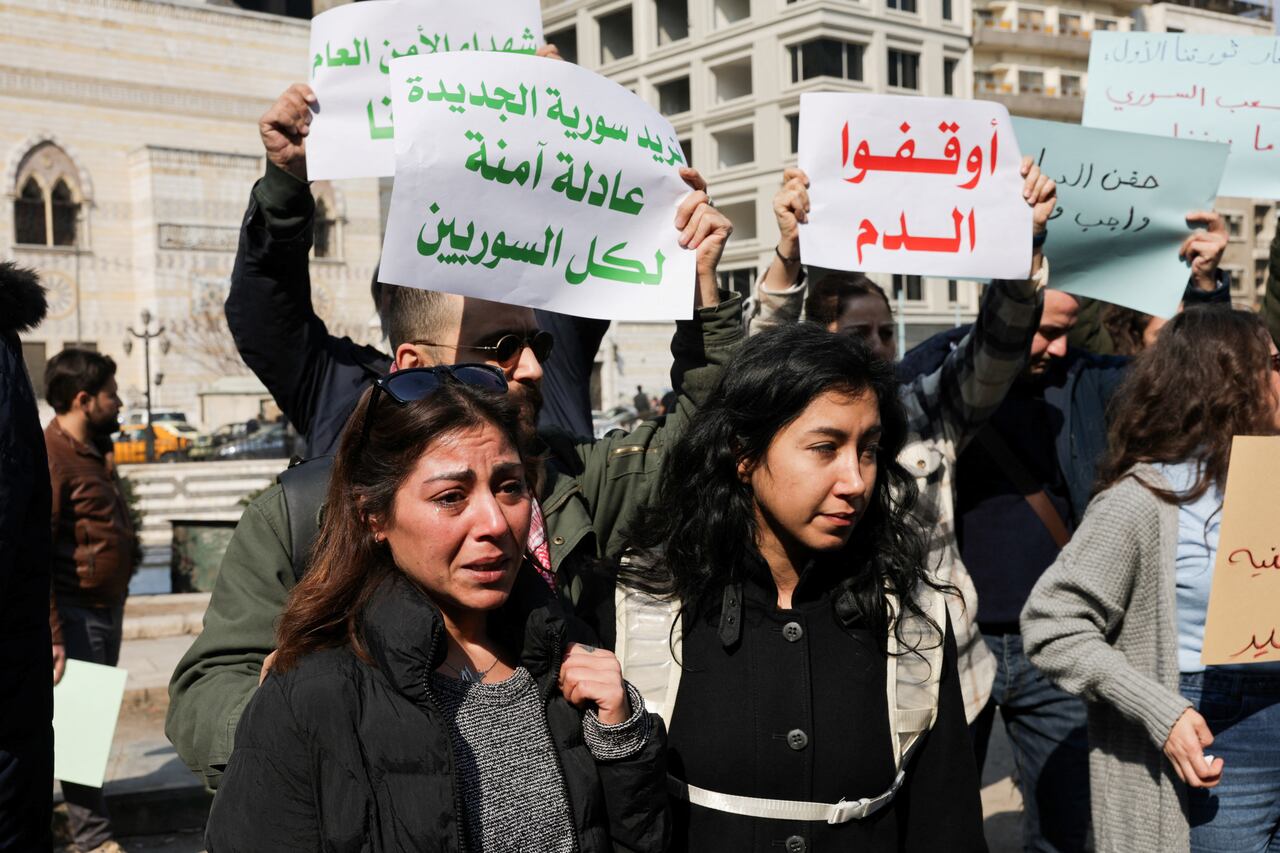
People protest the killing of civilians and security forces following clashes between the forces loyal to the new administration and fighters from Bashar al-Assad’s Alawite sect, at Marjeh Square in Damascus on Saturday. (Khalil Ashawi/Reuters)
A resident from the town of Qadmous informed Reuters that individuals in the town and surrounding areas had fled to nearby fields for safety. He recounted seeing a convoy of fighters equipped with tanks, heavy weaponry, and small drones setting fire to homes and vehicles along the main road near his town.
“We don’t have a clear count of the casualties yet because people haven’t returned home and don’t intend to for the next few days,” said the resident, who requested anonymity due to fears of retaliation.
A security source indicated that pro-Assad insurgents had targeted various public utilities in the past 24 hours, causing interruptions in electricity and water services.
Additionally, the Damascus authorities were deploying reinforcements to enhance their security presence in the mountainous Latakia province, where dense forests in challenging terrain have been advantageous to the anti-government fighters, according to another police source.