


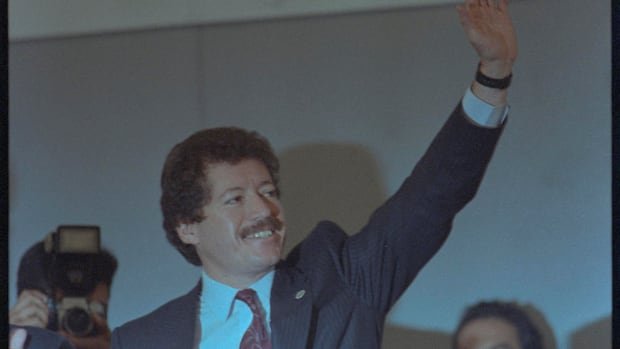

At El Califa de Leon in Mexico City, a framed newspaper page featuring a sketched portrait of the assassinated presidential candidate Luis Donaldo Colosio adorns the wall alongside two red Michelin star plaques. Colosio’s death on March 23, 1994, a pivotal moment in Mexican history, is likened to the impact of President John F. Kennedy’s assassination in the United States.
Angel Rodríguez Ávila, the chef at El Califa de León, reminisced about serving Colosio at the taco stand where the candidate would visit. Following Colosio’s tragic demise after being shot during a campaign stop in Tijuana, Rodríguez Ávila expressed uncertainties about the details surrounding the assassination.
Recently, on Nov. 8, Mexican authorities arrested a 64-year-old man in Tijuana believed to be connected to Colosio’s killing. This arrest challenges the long-held official narrative and could potentially shed light on a theory suggesting that Colosio’s assassination was orchestrated by individuals within or linked to the state apparatus.
The Attorney General’s Office has not commented on the matter, while Sen. Luis Donaldo Colosio Riojas refrained from providing a statement regarding the arrest. The complex nature of the case continues to intrigue many, with ongoing developments challenging established beliefs surrounding the assassination.
The Sheinbaum administration’s efforts to uncover new leads in the case have raised questions about the initial investigation’s integrity. The narrative surrounding Colosio’s death has been a subject of contention, with various theories suggesting the involvement of multiple actors in the tragic event.
As the case unfolds, the search for truth and justice remains paramount, resonating with those who remember the profound impact of Colosio’s assassination on Mexico’s political landscape. The quest for clarity and accountability persists, as individuals closely associated with Colosio advocate for a comprehensive reassessment of the case to uncover the full truth behind the tragic event.