



A recent study conducted by the University of British Columbia has highlighted concerns regarding the negative environmental impact of artificial turf fields in the Metro Vancouver area. The study, which was recently published in the journal Environmental Science Processes & Impacts, reveals that these fields are releasing a chemical called 6PPD-quinone into stormwater systems, posing a threat to coho salmon populations.
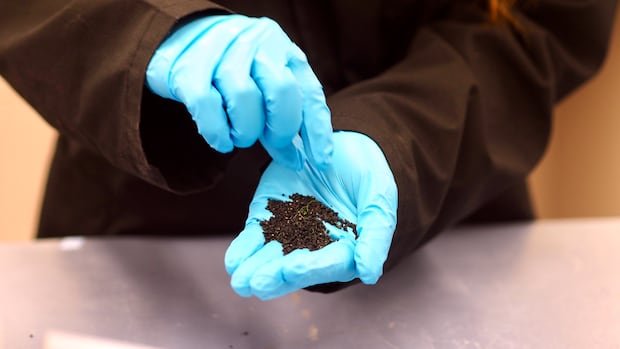
The research team identified crumb rubber infill, small black pellets commonly used in artificial turf, as the source of the pollution. The study’s co-author, Rachel Scholes, explained that this infill consists of ground-up recycled tires, which can leach contaminants into water sources during rainfall.
Samples were collected from 12 artificial turf fields in Metro Vancouver, alongside stormwater samples during rainstorms from three fields. The study found that the contamination issue is not limited to new fields, as older fields can also release pollutants over many years, potentially harming aquatic life.
Katie Moloney, a PhD student in environmental engineering at UBC, emphasized the harmful effects of even minuscule amounts of 6PPD-quinone on fish species like coho salmon and juvenile cutthroat trout. The chemical’s release surpasses lethal concentration levels for coho salmon, making it a significant threat to aquatic ecosystems.
The study raises concerns about the drainage systems of artificial turf fields, which can channel contaminated water into stormwater pipes without proper treatment. This unfiltered discharge can flow into natural water bodies, posing a serious risk to aquatic life.
While synthetic turf fields offer benefits like year-round usability and cost-effectiveness, the study underscores the importance of considering environmental impacts. The City of Vancouver, for instance, has shifted away from crumb rubber infill due to concerns raised by the study, opting for inert and non-toxic alternatives like EPDM rubber.
Other municipalities, such as Surrey and Burnaby, are also monitoring the issue closely. They are implementing measures to prevent contaminants from reaching sensitive habitats, demonstrating a commitment to safeguarding local ecosystems.
To mitigate the risks posed by harmful chemicals in artificial turf fields, researchers suggest exploring alternative infill materials like polymer or installing treatment systems to capture contaminants before they enter waterways. These proactive steps can help protect vulnerable species and ensure the long-term sustainability of artificial turf fields.