


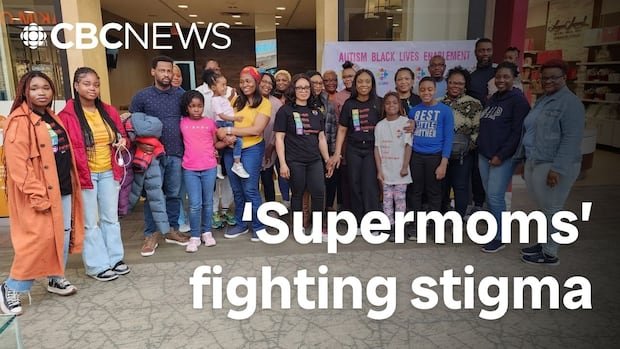

Chinyere Ubani, the mother of 13-year-old Ugochukw, who has autism, recalls the moment she found solace in the support of another parent. Ugochukw had been facing bullying at school and struggling to handle his emotions. Six years after relocating to Canada from Nigeria, Ubani was struggling to find assistance for him.
Despite attending an event for moms of children with autism, she hesitated to open up about her challenges. However, as she was about to leave, the organizer noticed her distress and approached her, leading Ubani to break down in tears.
Expressing a flood of emotions, she found relief and comfort when she connected with a group of Black moms known as the “supermoms” who have children with special needs. Ubani emphasized the importance of having someone who shares a similar background and journey to relate to one’s experiences.
Adenike Adesina, the organizer of the ‘supermoms’ group and ‘ABLE Autism,’ shared her own struggles upon moving to Canada from Nigeria in 2018 with her son Mogboluwaga, who has autism. She faced challenges accessing support services and observed a sense of shame among mothers within the community when it came to their children’s disabilities.
In 2023, Adesina initiated a network of mothers she had met at church, labeling them as “supermoms,” a term that resonated with the group. Over time, the group has evolved into a supportive community where members share resources, celebrate achievements, and foster a non-judgmental environment.
While initially encountering resistance due to cultural norms and negative perceptions surrounding autism, Adesina acknowledged the transformative impact the group has had in empowering Black parents to embrace and celebrate their children with special needs. The group, which now comprises over 60 women, serves as a platform for discussions, advice sharing, and mutual support.
Titilope Kazeem-Oshinubi, a member of the supermoms group, reflected on the positive impact it has had on her life since joining two years ago. She described it as a safe and accepting space where she can be herself without fear of judgment. Connecting with other parents has helped her navigate the complexities of raising a child with autism and provided her family with a sense of community and understanding.
Despite the ongoing stigma associated with autism in certain communities, Kazeem-Oshinubi and other supermoms strive to break down barriers and offer support to those who are ready to accept and embrace their child’s diagnosis. The group continues to serve as a beacon of hope and solidarity for families facing similar challenges.