



Brent crude oil surged by 10% to approximately $80 per barrel in off-market trading on Sunday, as reported by oil traders. Analysts are foreseeing a possible increase in prices up to $100 per barrel following military actions by the U.S. and Israel in Iran, which have escalated tensions in the Middle East.
The global oil benchmark has shown a strong upward trend this year, reaching $73 per barrel on Friday, the highest level since July. Concerns over potential attacks have been a driving force behind this rally, with futures trading inactive over the weekend.
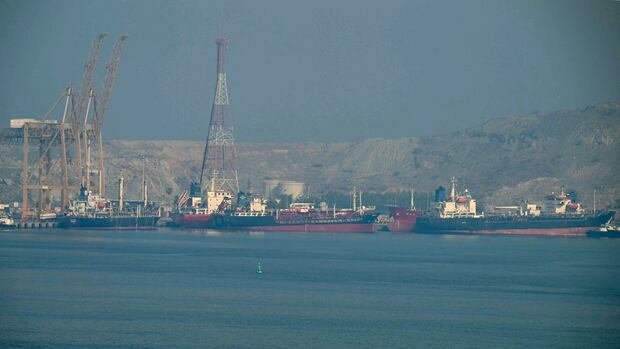
Ajay Parmar, the director of energy and refining at ICIS, highlighted that the closure of the Strait of Hormuz is a critical factor impacting oil prices due to the ongoing military actions. Trade sources have confirmed that major players in the oil industry have halted shipments of crude oil, fuel, and liquefied natural gas through the Strait of Hormuz, which facilitates the movement of more than 20% of global oil.
Parmar anticipates that prices may open significantly higher, possibly reaching and surpassing $100 per barrel if the Strait remains closed for an extended period. Middle Eastern leaders have cautioned the U.S. about the potential consequences of a conflict with Iran, warning that oil prices could soar above $100 per barrel. Analysts from Rabobank are slightly more conservative, predicting that prices will remain above $90 per barrel in the short term.
On Sunday, the OPEC+ group of oil-producing nations agreed to increase output by 206,000 barrels per day starting in April, a marginal rise representing less than 0.2% of global demand. Despite potential alternative routes to bypass the Strait of Hormuz, the closure of the strait could result in a significant loss of 8-10 million barrels per day of crude oil supply, even with partial redirection through pipelines in Saudi Arabia and Abu Dhabi, according to Rystad energy economist Jorge Leon.
Rystad forecasts a price surge of around $20, pushing prices to approximately $92 per barrel when markets resume trading. The escalating Iran crisis has led Asian governments and refiners to evaluate oil inventories, explore alternative shipping routes, and consider diversifying their oil supplies. Kpler analysts suggested during a webinar that India might pivot towards Russian oil to compensate for any potential disruptions in Middle East supply chains.