


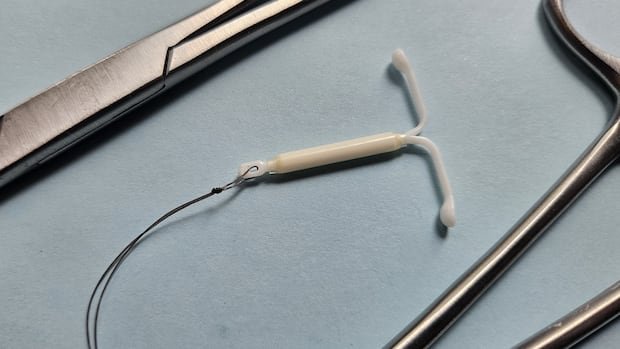

Sarah Anthony, a farmer and bookkeeper from Metchosin, B.C., experienced excruciating pain during the insertion of her IUD. She recalled crying out in agony, prompting the doctor to caution her about disturbing other patients. The discomfort she felt made her believe that her cervix was not designed to undergo such forceful manipulation.
IUDs, small T-shaped contraceptive devices placed in the uterus by medical professionals, come in hormonal and copper forms. These devices alter sperm movement to prevent fertilization, as explained by Planned Parenthood. The popularity of IUDs in British Columbia has surged following the province’s initiative to provide free contraceptives, championed by AccessBC.
The process of IUD insertion involves using a speculum to widen the vagina, a tenaculum to stabilize the cervix, and a specialized inserter to place the IUD into the uterus through the cervix opening. While some individuals undergo this procedure without issue, others, like Sarah Anthony, endure severe pain.
A study by AccessBC researchers Sara Sunderji, Anahita Seraji, and Victoria Greene identified three primary sources of pain during IUD insertion: tenaculum placement causing cervical pinching, cervical manipulation necessitated for IUD passage, and uterine contractions triggered by prostaglandins released during insertion.
The pain experienced during IUD insertion can also be influenced by speculum insertion and patient anxiety. To address these concerns, AccessBC launched the Not Just a Pinch campaign advocating for improved pain management during IUD insertions to enhance accessibility to contraception and sexual health services.
Despite some specialized clinics offering advanced pain relief options, many individuals in British Columbia receiving IUDs are only advised to take over-the-counter pain medications like Advil or Naproxen. Sunderji attributed this lack of pain management to entrenched misogyny in the medical field, emphasizing the need for equitable and comprehensive pain relief measures.
The campaign urges the province to establish guidelines for pain management during IUD insertions, implement MSP billing mechanisms for pain control, mandate training for practitioners, and ensure uniform access to pain management services. In response to the campaign, the Ministry of Health emphasized its commitment to reproductive care accessibility, highlighting changes made to the Medical Services Commission payment schedule in 2023, which included increased compensation for IUD insertions and a new fee for cervical block anaesthesia to manage pain effectively.