



Canada’s economy experienced a slight uptick in January, with growth driven by gains in goods-producing sectors, despite a slowdown in manufacturing, according to Statistics Canada. The Gross Domestic Product (GDP) expanded by 0.1% during the month, surpassing analysts’ predictions following a 0.2% growth in December.
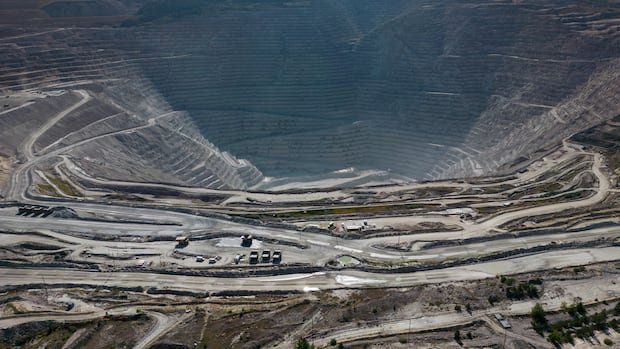
The growth was primarily fueled by the mining, oil, and gas extraction industries, which saw a significant 1.2% expansion, reversing the declines from the previous month. Increased crude petroleum extraction in Newfoundland and Labrador, as well as Saskatchewan, contributed to the growth in the oil and gas sector, alongside an expansion in natural gas extraction.
Furthermore, the construction sector grew by 1.1% in January, marking the third consecutive month of growth, with both residential and non-residential building construction showing positive developments.
Douglas Porter, the chief economist at the Bank of Montreal, described the report as a “pleasant surprise,” noting that Canadian real GDP performed better than expected in the initial months of the year. This positive performance, however, was prior to the conflict in Iran and the subsequent surge in fuel prices, indicating that the economy was in a relatively stronger position than anticipated before the turmoil.
On the flip side, manufacturing witnessed a decline in January, offsetting some of the gains from December, particularly due to weaknesses in the durable goods subsector. Wholesale trade also contracted, mainly driven by decreased exports of motor vehicles and parts, attributed to a seasonal decline in auto production. Adverse weather conditions impacted the transportation and warehousing sectors as well.
Despite these fluctuations, services-producing industries such as real estate, health care, and finance, which are key contributors to the Canadian economy, experienced minimal changes in January. Statistics Canada’s preliminary estimate for February suggests a 0.2% increase in real GDP, subject to revisions.
Economists caution that future growth may be impacted by the soaring crude oil prices resulting from the conflict in Iran, potentially leading to reduced consumer spending and heightened inflation. This situation could prompt the Bank of Canada to consider raising interest rates amidst an economically fragile period in the near future.