



Canada’s economy experienced a 0.3 percent increase in May, marking the second consecutive month of growth and setting the stage for a strong second quarter, as reported by Statistics Canada.
This rise exceeded Statistics Canada’s initial forecast, which predicted only a 0.1 percent growth for the month.
According to the agency, 13 out of 20 industrial sectors, including construction, manufacturing, finance and insurance, along with the public sector, contributed to the overall gains this month.
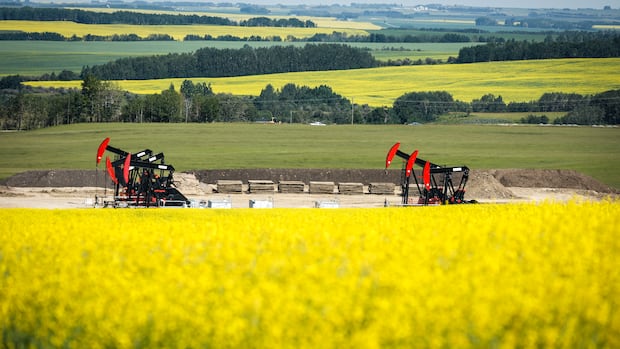
The mining, quarrying, oil, and gas extraction sector saw a one percent increase in May, leading the growth for the second month in a row. Maintenance tasks that typically occur during this month were either completed ahead of schedule or postponed, allowing for more extraction activities.
There was also an uptick in the transportation and warehousing sectors, as pipelines exported more natural gas to the market.
The real estate sector, particularly real estate agents’ offices, experienced heightened activity due to a surge in home sales, which positively influenced the real estate and rental and leasing sector.
An early projection for June indicates that the economy is expected to grow by 0.2 percent in that month. Additionally, Statistics Canada has slightly adjusted April’s GDP growth to 0.6 percent, positioning the Canadian economy for a robust second quarter.

Canada’s economy has contracted for two consecutive quarters, which some analysts interpret as a technical recession. However, the discussion continues about what truly hinders the Canadian economy. Power & Politics features insights from Marc Desormeaux, an economist and the vice-president of policy at the Business Council of Canada, who explains why this situation should not be viewed as a ‘true’ recession and how U.S. trade tensions are influencing the country’s financial landscape.
Statistics Canada’s preliminary estimate suggests that real GDP could rise by 3.4 percent on an annualized basis in the second quarter, indicating a significant recovery from a slight downturn in the first quarter of the year.
The contraction in the first quarter of 2026 marked the second consecutive quarter of GDP decline on an annualized basis, raising concerns about a technical recession.
BMO’s chief economist Doug Porter stated that the latest figures suggest the earlier weaknesses were exaggerated.
“After the widespread concern regarding a possible technical recession just months ago, it is now evident that the underlying economy continues to move forward,” Porter noted in a message to investors.
However, according to CIBC economist Andrew Grantham, policymakers may not place too much emphasis on these quarterly figures yet, as they are frequently subject to revisions.
Furthermore, he pointed out that some unique factors—such as deferred oil maintenance and the positive effects of the FIFA World Cup—likely contributed to the GDP increase in the second quarter, leading Grantham to anticipate a slower growth rate in the upcoming months.
“We continue to observe that economic slack is diminishing gradually, and we expect the Bank of Canada to maintain interest rates for the rest of the year,” Grantham mentioned in his note to investors.