


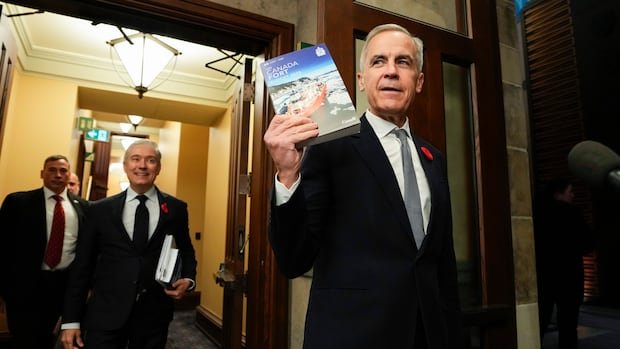

Finance Minister François-Philippe Champagne unveiled his inaugural federal budget on Tuesday, featuring significant measures to support an economy grappling with major disruptions and also aiming to streamline public services to improve fiscal stability.
The budget forecasts a deficit of approximately $78 billion for the 2025-26 fiscal year, a figure lower than some expectations but still significantly higher than previous estimates due to economic challenges exacerbated by external factors like the trade war initiated by former U.S. President Donald Trump.
The budget outlines a total of $141 billion in new expenditures over the next five years, which will be partly offset by $51.2 billion in cuts, amounting to a total of $60 billion in cuts and savings.
With a focus on infrastructure, housing, military investment, and tax reforms to stimulate business growth, the government aims to enhance Canada’s self-sufficiency and boost employment opportunities.
Some key highlights of the budget include a $78 billion deficit for the current fiscal year, reductions in the public service through attrition and buyouts resulting in nearly 40,000 job cuts, a $51 billion allocation for infrastructure development, and an $81 billion package for the Canadian Armed Forces.
Additionally, the budget proposes significant cuts to immigration, adjustments to the proposed emissions cap, and a series of cost-saving measures across various sectors to generate savings for new projects. These initiatives are designed to promote economic growth and job creation while addressing challenges faced by different industries.
Moreover, the budget introduces tax incentives to encourage business investments, with a focus on boosting productivity and competitiveness in the wake of global economic shifts. The government aims to attract more domestic and foreign investments through strategic financial measures.
In a bid to garner support from opposition parties, the budget includes funding for initiatives like the Youth Climate Corps and CBC/Radio-Canada modernization, aligning with certain party demands and priorities. However, the budget faces opposition from the Conservative Party, raising concerns over its financial implications and impact on everyday expenses for Canadians.
Despite the challenges and criticisms, the government remains committed to its vision of revitalizing the economy, advancing key sectors, and laying the groundwork for sustainable growth in the years to come.