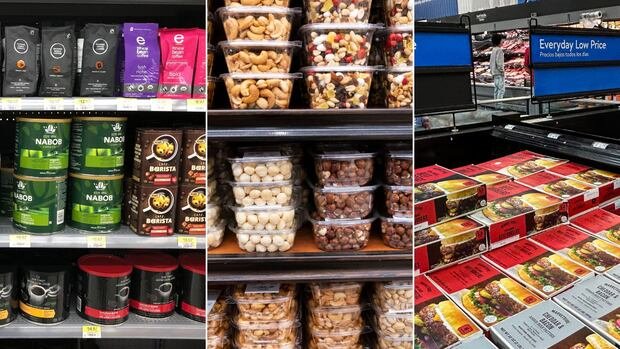
If you’ve recently found yourself surprised by the high prices of butter, coffee, or chocolate at the grocery store, you’re not the only one feeling the pinch.
Over the past year, food costs have been on the rise, with grocery inflation steadily increasing since April 2024, as reported by Statistics Canada. In September, shoppers paid four per cent more for groceries compared to the same period last year.
While various food items have seen price hikes, beef, coffee, and confectionery stand out as some of the top culprits impacting grocery bills. Let’s delve into why these items are costing consumers more.
Coffee Takes the Lead
Coffee, a beloved morning staple for many, has seen a significant surge in prices in recent months.
According to Statistics Canada’s consumer price index data, coffee prices soared by 28.6 per cent over the past year, surpassing all other food items tracked. The cost of roasted or ground coffee spiked by 41 per cent in September compared to the same month last year.
Retail data from Statistics Canada revealed that the average monthly price for 340 grams of roasted or ground coffee has surged by 34 per cent since January alone. For example, a large tub of Maxwell House ground coffee was priced at $20 at Loblaws, while a 915-gram tub of Nabob Bold cost a steep $35.99 at Sobeys.
Even popular chains like Tim Hortons have had to adjust their prices, with the cost of a cup of coffee seeing its first increase in three years. This price hike can be attributed to global factors, such as supply disruptions in major coffee-producing countries like Brazil and Vietnam, exacerbated by U.S. tariffs on Brazilian goods.