



Consumers continue to express concern about elevated prices and economic instability stemming from the U.S. trade conflict, despite some positive trends, as per a recent Bank of Canada survey. The survey participants showed heightened apprehension about potential difficulties in meeting debt obligations, job security, and persistent inflation, largely attributed to tariffs.
These apprehensions have dampened consumer spending intentions, with respondents citing challenges such as high prices, economic uncertainties, and increased housing costs as impediments to expenditure. More respondents perceived a worsening of their financial situations compared to the previous quarter.
On a more positive note, respondents were more optimistic about job prospects in the current quarter and exhibited a more favorable long-term outlook on inflation, although overall consumer expectations for the fourth quarter declined and remained below pre-pandemic levels and lower than before the U.S. trade conflict began.
According to Claire Fan, a senior economist at RBC, there has been a noticeable divergence between consumer sentiment and actual economic data throughout the past year. While the Canadian economy has shown resilience compared to worst-case scenarios predicted by analysts and economists, concerns about the labor market persist, especially among workers in trade-exposed sectors.
The Bank of Canada’s survey respondents indicated a shift in sentiment regarding the trade conflict, with nearly half believing Canada had averted the worst effects, while a significant portion felt the worst was either over or yet to come. Fan acknowledged the macro-level accuracy of the perception that the worst of the trade war has passed but highlighted uncertainties surrounding Canada’s future trade relationships, including the status of tariffs and the fate of trade agreements.
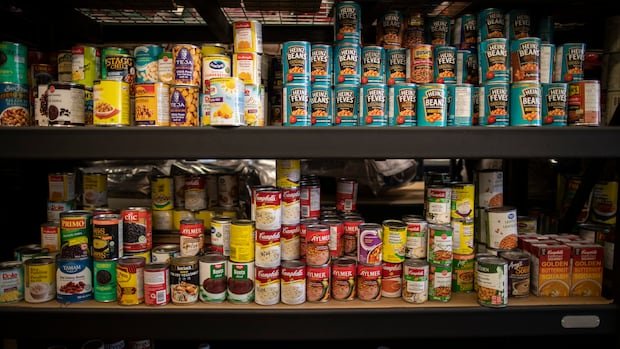
In terms of everyday expenses, rising costs have been most acutely felt in grocery bills, with consumers like Brad Berg from Calgary adjusting their spending habits to cope with escalating prices. While headline inflation has stabilized, food and shelter expenses continue to impact overall costs, with grocery inflation reaching 3.5% in 2025, up from 2.2% in 2024, according to a StatsCan report.
Mike von Massow, a food economist at the University of Guelph, noted that consumers tend to react more strongly to price increases, particularly in regular expenses like groceries. This could explain the lingering negative consumer sentiment, particularly among lower-income households facing challenges posed by rising costs. Fan echoed similar sentiments, emphasizing the potential impact on vulnerable households facing heightened financial pressures.