



At a recent United Nations climate summit, global leaders emphasized their increased commitment to combating climate change and its associated severe weather events following China’s announcement of its initial target to reduce emissions.
Chinese President Xi Jinping disclosed in a video message that China, the world’s largest emitter of carbon dioxide, aims to decrease emissions by seven to 10 percent by 2035. This pledge marked China’s first explicit commitment to emission reduction, although it fell short of the 30 percent reduction recommended by some scientists to align with the global goal of limiting warming to 1.5 degrees Celsius.
Over 100 world leaders gathered at the summit to stress the urgency of stronger actions to mitigate greenhouse gas emissions. UN Secretary-General António Guterres convened a special leaders’ session during the General Assembly, where approximately 100 nations, accounting for two-thirds of global emissions, presented plans or commitments to further reduce fossil fuel emissions.
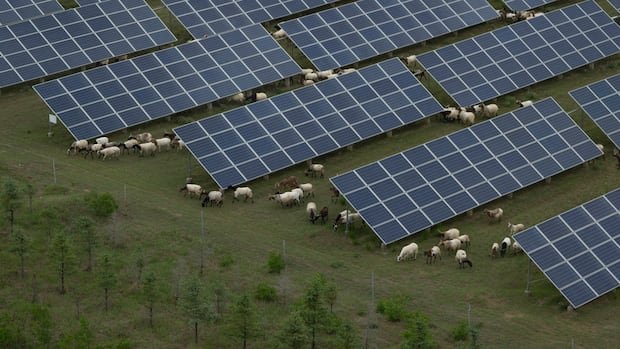
Xi also vowed to escalate China’s wind and solar power sixfold from 2020 levels, promote pollution-free vehicles, and foster a climate-resilient society. Meanwhile, the European Union outlined a less detailed but unofficial plan to reduce emissions by 66 to 72 percent, with a formal submission expected before the upcoming climate negotiations in November.
While these new commitments demonstrate progress, experts caution that they may not suffice to protect against climate-related disasters. Jake Schmidt from the Natural Resources Defense Council noted that stronger actions are necessary to avert climate catastrophes.
The Chinese emission reduction plan was viewed with mixed reactions. Former Colombian President Juan Manuel Santos, representing The Elders group, urged China to set more ambitious targets. EU Climate Commissioner Wopke Hoekstra expressed disappointment, stating that China’s submission falls short of what is both achievable and necessary.
During the summit, Xi and Brazilian President Luiz Inacio Lula da Silva indirectly referenced U.S. President Donald Trump’s skepticism towards renewable energy and climate change. Lula emphasized the global impact of climate change, highlighting the need for international cooperation in addressing environmental challenges.
As nations strive to meet the Paris climate accord’s requirements, UN officials stress the importance of submitting updated emission reduction plans promptly. The UN must assess the collective impact of these plans to gauge the Earth’s future warming trajectory. Despite progress in reducing emissions, the world remains on track to exceed the accord’s target of limiting warming to 1.5 degrees Celsius.