


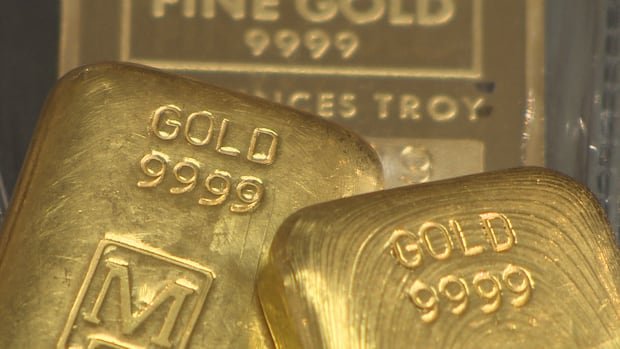

Gold surged past $5,000 per ounce, marking a historic high, while silver also soared to $110 per ounce due to escalating geopolitical tensions that weakened the U.S. dollar. Investors have increasingly turned to precious metals as a relatively secure investment option.
Daniela Hathorn, a senior market analyst at Capital.com, emphasized that as uncertainties surrounding fiscal dominance, geopolitical fragmentation, and central bank credibility persist, precious metals are likely to remain at the forefront as both hedges and alternatives.
The U.S. dollar experienced a significant decline, hitting its lowest level since mid-November following a 1.5% rise in the Japanese yen in Europe. While the dollar had seen gains against the yen recently, it sharply dropped in response to indications from both Japan and the U.S. suggesting readiness to intervene in strengthening the yen.
Japanese finance officials, in close coordination with the U.S., hinted at potential intervention to address currency fluctuations, leading to a notable rebound in the yen. This development followed Sanae Takaichi becoming Japan’s prime minister in October, promising increased spending and tax cuts, heightening concerns over Japan’s financial stability.
As the U.S. dollar weakened against major currencies, gold continued its remarkable rally, reaching a new high at $5,089 per ounce, with silver also surging to $110 per ounce. Analysts highlighted the compelling narrative for gold, including central bank reserve diversification amid intervention discussions and broader market dynamics.
Global markets observed mixed movements, with declines in France’s CAC 40 and slight gains in Germany’s DAX and the UK’s FTSE 100. U.S. markets opened higher, with the S&P 500 rising and the Dow Jones Industrial Average and Nasdaq composite also showing positive trends.
In Asia, South Korea’s Kospi declined, while Hong Kong’s Hang Seng and China’s Shanghai Composite had varied performances. Market focus remains on upcoming earnings reports from global companies, with potential impacts from recent U.S. tariff policies.
Amidst market uncertainties, U.S. President Donald Trump’s threats against Canada, including the possibility of imposing a 100% tariff on goods, added to trade anxieties. Canada and China had faced tariff escalations, with recent negotiations resulting in adjustments to tariffs on various products between the two nations.
Oil prices witnessed moderate gains, with benchmark U.S. crude rising to $61.50 per barrel and Brent crude edging up to $65.55 per barrel. The evolving market landscape continues to be influenced by geopolitical tensions and trade dynamics.