


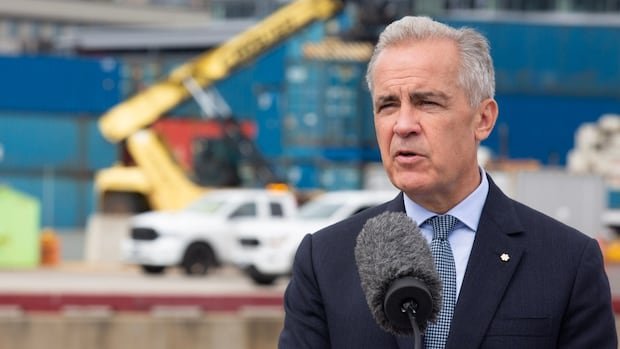

Prime Minister Mark Carney and his environment minister have not clarified Canada’s commitment to meeting its climate targets under the Paris agreement by 2030 amid criticism over emission reduction plans. The office of Environment Minister Julie Dabrusin stated that Canada aims for net-zero emissions by 2050 but did not confirm the 2030 target directly. The government plans to update its emissions reduction strategy considering global and economic changes.
Canada is legally bound to achieve net-zero emissions by 2050, as mandated in 2021 legislation. To reach this goal, Canada aims to reduce emissions by at least 40% below 2005 levels by 2030, as outlined in the Paris Agreement. This marks the third occasion on Monday that a member of Carney’s administration avoided confirming adherence to the Paris target.
Industry Minister Mélanie Joly also refrained from committing to the 2030 target, emphasizing the government’s focus on achieving net-zero emissions by 2050. Carney recently made policy changes, such as eliminating the consumer carbon price and delaying the electric vehicle sales mandate, with plans to enhance the industrial carbon pricing system.
During a press event in St. John’s, Carney underscored the importance of transitioning to a low-carbon economy for competitiveness. He highlighted potential benefits in various industries and pledged more details in the future. Carney stressed the government’s commitment to driving down emissions to enhance competitiveness.
Despite uncertainties surrounding Canada’s ability to meet the 2030 target, concerns were raised even before recent policy adjustments. Observers had doubts about Canada’s progress towards the 2030 goal, with reports indicating emissions were only reduced by seven percent from 2005 levels. Green Party Leader Elizabeth May criticized Carney’s decisions, claiming they undermine climate action efforts and are not aligned with addressing the climate emergency.